

Yemeni Shawl (Hibarah): Authentic Handwoven Guide for USA Buyers
The Yemeni Shawl, known traditionally as the Hibarah (حِبَرة) or Hibra, is one of the most timeless garments from Yemen. Worn by prophets, companions, and generations of Muslims, this handwoven mantle has found a place in modern fashion, Islamic clothing, and cultural heritage. If you are searching for an authentic Yemeni Shawl in the USA, this complete guide covers its meaning, Sunnah references, styling, benefits, FAQs, and care tips.

What is a Yemeni Shawl?
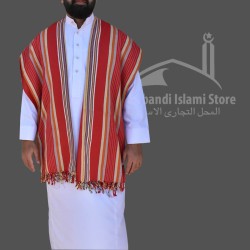
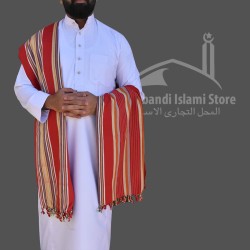
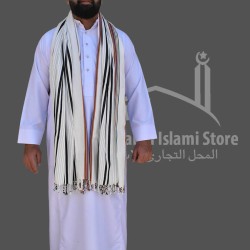
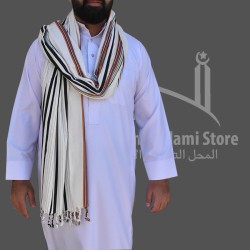
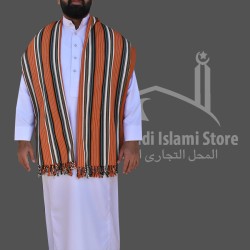
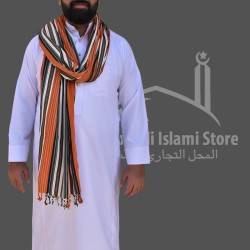
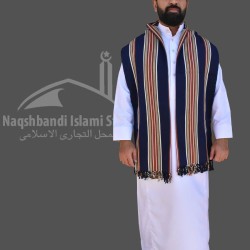
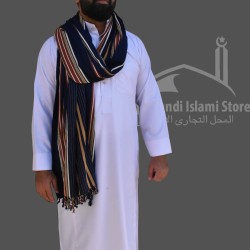
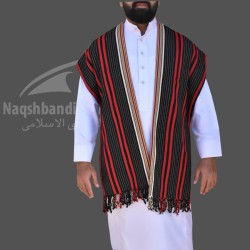
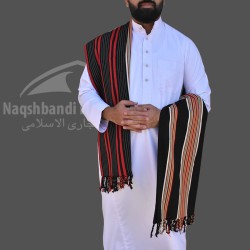
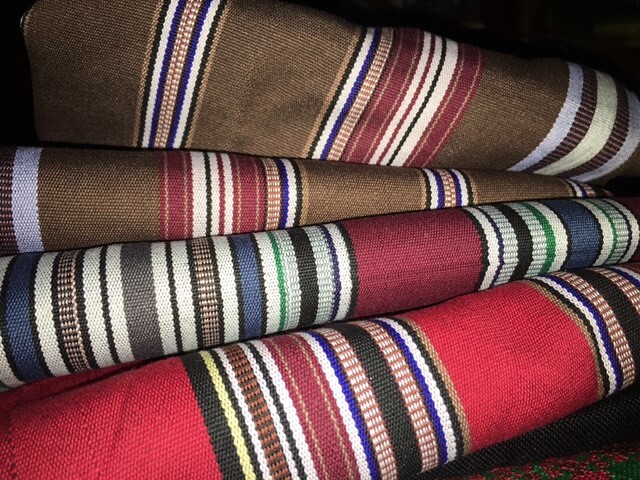
A Yemeni Shawl (Hibarah) is a long, rectangular mantle traditionally woven in Yemen. It is distinct from the keffiyeh (square scarf) and often features fine stripes or subtle woven patterns.
- Shape: Rectangular, usually 180–210 cm in length
- Material: Handwoven cotton or cotton blends
- Patterns: Striped, muted colors, natural threads
- Usage: Worn by men as an outer wrap; by women as a shoulder scarf or modest cover
Prophetic References to Yemeni Shawls
Wearing the Yemeni Shawl connects directly with the Sunnah. Several authentic narrations mention Yemeni cloth:
- Most Beloved Garment: The Prophet ﷺ’s favorite garment was the Hibarah, a striped Yemeni shawl. (Bukhari 5783, Muslim 2079b)
- Final Shroud: He was shrouded in three white Yemeni cotton garments. (Riyad as-Salihin 785, Agreed upon)
- Family Tradition: Members of his household and companions also wore Yemeni textiles due to their quality and comfort.
This makes the Yemeni Shawl not just clothing, but a Sunnah-inspired garment with both spiritual and cultural value.

Styling the Yemeni Shawl
For Men:
- Draped over the shoulders during prayer
- Wrapped around the upper body like a cloak
- Used as a dignified formal accessory in weddings and gatherings
For Women:
- Worn as a modest shawl over abaya or dress
- Light outer covering in warm weather
- Cultural scarf in social and Islamic events
Modern Styling:
- Works as a unique scarf with suits or coats
- Adds a traditional touch to casual wear
- Pairs beautifully with thobes and jubbas

Benefits of the Yemeni Shawl
- Spiritual Value: Direct Sunnah connection with the Prophet ﷺ’s garment of choice
- Cultural Heritage: Supports Yemeni artisans and preserves ancient weaving traditions
- Practical Comfort: Lightweight cotton, breathable, and adaptable to warm or cool climates
- Timeless Fashion: Simple stripes and natural tones make it suitable for modern wardrobes
Frequently Asked Questions (FAQ)
1. How do I know if my Yemeni Shawl is authentic?
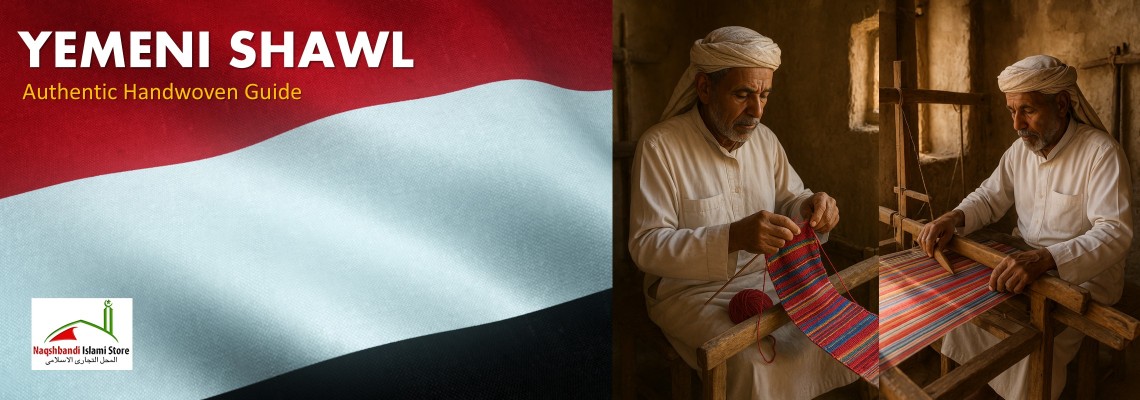
Look for handwoven cotton with visible thread variations, not machine-perfect symmetry. Authentic shawls are usually woven on wooden looms in Yemen.
2. Can women wear the Yemeni Shawl?
Yes. While originally men’s outerwear, women across Yemen use it as a shawl or modest cover.
3. What is the difference between a Yemeni Shawl and a Keffiyeh?
The Keffiyeh is a square scarf (often black & white patterned), while the Hibarah is rectangular with stripes and softer tones.
4. Where can I buy a real Yemeni Shawl in the USA?
Specialized Islamic stores and heritage boutiques import them directly from Yemen. Authentic pieces may also come from collectors or Yemeni diaspora sellers.Visit page
Care Tips for a Yemeni Shawl
- Washing: Handwash gently in cold water with mild soap. Avoid harsh detergents.
- Drying: Air-dry flat, away from direct sunlight. Do not wring.
- Storage: Fold neatly and store in a cool, dry place. Avoid hanging long-term, as it may stretch.
- Longevity: With care, a Yemeni Shawl can last decades and even be passed down as a family heirloom.
Closing Reflection
The Yemeni Shawl (Hibarah) is more than a garment — it is a spiritual reminder of the Sunnah, a cultural emblem of Yemen, and a practical piece of clothing that blends tradition with modern fashion. Whether worn for prayer, heritage, or style, owning a Yemeni Shawl connects you with history, faith, and artistry that transcends generations.
Related Products