

Private Label Manufacturing in Pakistan
Build your own branded product range with private label manufacturing and sourcing support from Pakistan. Naqshbandi Islami Store helps international retailers, distributors, online businesses, Muslim lifestyle brands and entrepreneurs identify suitable Pakistani manufacturers and coordinate private label production.
From selecting an existing product to customizing specifications, developing samples, arranging branding and packaging, coordinating production, checking quality and preparing goods for export, we can help you explore the complete private label process.
What Is Private Label Manufacturing?
Private label manufacturing allows a business to sell products under its own brand while the products are produced or supplied by another manufacturer or production partner.
The level of customization can vary considerably.
A project may start with an existing product and add your brand labels and packaging. A more advanced project may involve changes to materials, colors, dimensions, finishing or product design.
The appropriate approach depends on the product, manufacturer, quantity and customization requirements.
Why Manufacture Private Label Products in Pakistan?
Pakistan has established production capabilities across several sectors, including textiles, garments, leather, fragrances, handicrafts, jewelry, packaging and other products.
For an international buyer, however, access to manufacturing capability is only one part of the challenge. Finding an appropriate manufacturer, communicating specifications, arranging samples, managing production and coordinating export can also require local support.
Our role is to provide a Pakistan-based sourcing and coordination layer for international buyers exploring these opportunities.
Private Label Product Categories
Our strongest experience is in Islamic and Muslim lifestyle products. Depending on the project, private label manufacturing can be explored across categories such as:
- Islamic Clothing: Jubba, Thobe, Kamees, Pajama, vest coats and selected traditional garments.
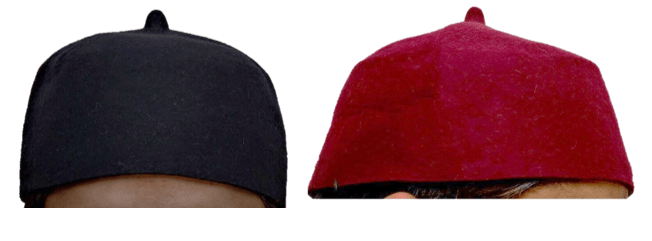
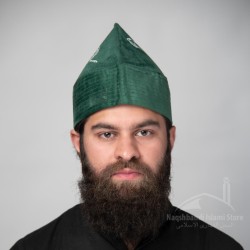
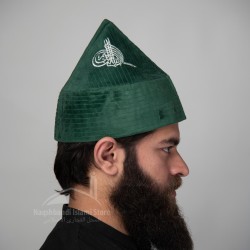
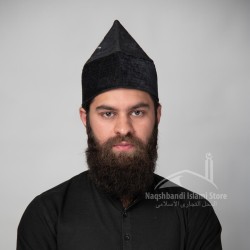
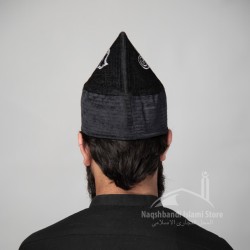
- Kufi & Islamic Caps: Different styles, colors, materials and selected custom requirements.
- Attar & Perfume: Fragrances, bottles, labels and retail packaging.
- Prayer Mats: Selected designs, sizes, materials, branding and packaging.
- Tasbeeh: Wooden, marble and other prayer-bead products.
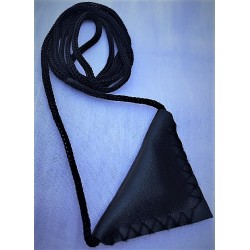
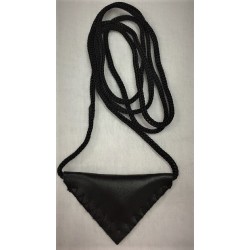
- Leather Products: Selected leather products including Khuff and leather socks.
- Islamic Gifts: Branded gift sets, packaging and selected custom products.
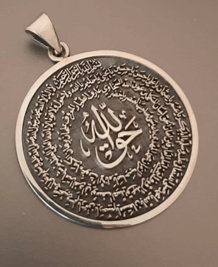
- Islamic Jewelry: Selected rings, silver jewelry and accessories according to production capability.
These categories represent sourcing and manufacturing areas that may be explored. They do not mean that every product can be manufactured by every supplier or customized in every possible way.
Start With an Existing Product
The simplest private label projects often begin with an existing product.
You may identify a product you already know, provide a photograph or sample, and ask us to investigate whether a Pakistani supplier can provide a suitable version for your brand.
Once a suitable product has been identified, selected elements such as labels, packaging, colors, materials or finishing may be explored for customization.
This approach can reduce development complexity compared with creating a completely new product.
Manufacture According to Your Specifications
For businesses requiring greater differentiation, private label manufacturing can involve more detailed product specifications.
You may provide:
- Product drawings
- Reference samples
- Product photographs
- Dimensions
- Material requirements
- Color specifications
- Finishing requirements
- Packaging specifications
- Branding requirements
The manufacturer can then be selected according to the production capabilities required by your project.
Private Label Manufacturing Process
- Initial discussion: Explain your product, brand and target market.
- Product selection: Choose an existing product or provide your specifications.
- Requirement definition: Confirm materials, sizes, colors, finishing, branding and packaging.
- Manufacturer sourcing: Identify potentially suitable Pakistani manufacturers or suppliers.
- Capability review: Evaluate the available production options against your requirements.
- Quotation: Obtain relevant pricing and commercial information.
- Sample development: Arrange an existing sample, modified sample or prototype where practical.
- Sample approval: Evaluate the sample and request necessary revisions.
- Branding and packaging: Finalize labels, boxes, bags and other presentation elements.
- Production: Coordinate the approved production run.
- Quality control: Check finished goods against agreed requirements.
- Export: Coordinate preparation and international delivery.
Supplier Sourcing & Manufacturer Selection
Not every manufacturer is suitable for every private label project.
A clothing factory may have no capability to produce leather products, while a supplier experienced in standard products may not have the equipment or processes needed for customized manufacturing.
We therefore investigate suppliers according to the specific product and production requirements.
See Supplier Sourcing & Verification in Pakistan.
Branding & Packaging
Private label manufacturing normally involves some form of brand presentation.
Depending on the product, this may include:
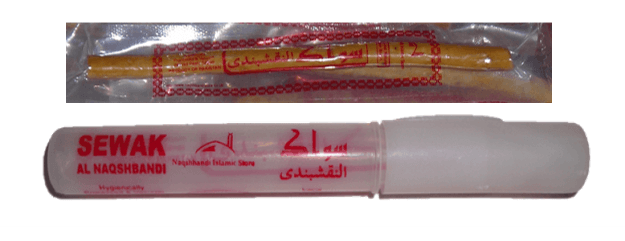
- Brand labels
- Product labels
- Custom boxes
- Branded bags
- Product inserts
- Care and size labels
- Custom bottle labels
- Embroidery
- Retail-ready packaging
Packaging and branding requirements should be discussed before production because they can affect MOQ, cost, lead time and supplier selection.
Sample Before Production
Where practical, a sample should be considered before a larger private label production run.
A sample allows you to evaluate the actual product and identify potential changes before production is finalized.
Depending on the project, the sample may be an existing supplier product, a modified product or a newly developed prototype.
No Universal MOQ
There is no universal minimum order quantity for private label manufacturing in Pakistan.
MOQ can depend on:
- Product type
- Raw materials
- Manufacturing method
- Number of colors
- Customization level
- Packaging
- Printing or embroidery
- Tooling or production setup
- Manufacturer capacity
A standard product with branded packaging may require a very different quantity from a completely customized product requiring dedicated production arrangements.
We evaluate each project individually and confirm the practical MOQ with the relevant manufacturer.
Private Label Clothing Manufacturing
Pakistan's garment and textile sector can provide opportunities for businesses developing their own Islamic clothing collections.
Depending on the project, you can explore Jubba, Thobe, Kamees, Pajama, vest coats, shawls and other traditional or contemporary Muslim garments.
See Private Label Islamic Clothing.
Private Label Attar Manufacturing
Fragrance businesses can explore private label Attar, Ittar and perfume products with customized bottles, labels and packaging.
The exact fragrance and packaging options depend on the supplier and production requirements.
See Private Label Attar & Perfume.
Private Label Prayer Mats
Prayer mats can be developed as branded retail products, gift products or part of a wider Islamic product collection.
Depending on the manufacturer, customization may include design, colors, dimensions, materials, finishing and packaging.
See Private Label Prayer Mats.
Private Label Islamic Gifts
Gift businesses can combine existing Islamic products into branded gift sets or explore customized products and packaging.
Possible products include Attar, Tasbeeh, Kufi, prayer mats and other suitable Islamic items.
See Private Label Islamic Gifts.
Custom OEM Manufacturing
Some projects require more product-level customization than traditional private labeling.
If you have a unique design, product concept, reference sample or detailed technical specification, the project may be better approached as custom or OEM manufacturing.
See Custom Islamic Products & OEM Manufacturing.
Product Development
If your product does not yet exist, private label manufacturing may not be the correct first step.
A new product may require research, specifications, prototype development, testing and refinement before a manufacturer can produce it commercially.
Learn more about Product Development & Manufacturing in Pakistan.
Quality Control
Private label manufacturing requires clear specifications and quality expectations.
Depending on the project, quality checks may cover:
- Product specifications
- Materials
- Dimensions
- Colors
- Workmanship
- Finishing
- Branding
- Packaging
- Quantities
The exact inspection process should be agreed according to the product and project requirements.
Export Coordination
After production, goods may need to be prepared for international shipment.
Export and shipping requirements vary according to the product, destination country and shipping method.
We can coordinate the export preparation and international delivery process according to the agreed project scope.
See Quality Inspection & Export Coordination Pakistan.
Commercial Feasibility
A private label product should be evaluated as a complete commercial proposition, not simply by its factory price.
Depending on the project, you may need to consider:
- Product cost
- Packaging cost
- Branding cost
- MOQ
- Production lead time
- Quality requirements
- Shipping cost
- Import costs
- Target selling price
- Overall landed cost
These factors can help determine whether a private label product is commercially suitable for the intended market.
For International Brands
Private label manufacturing can be useful for both established brands and new businesses.
An established company may want to add Pakistani-made products to its existing range, while an entrepreneur may want to build an entirely new Islamic or Muslim lifestyle brand.
The project can be developed around the buyer's target country, customer, sales channel and desired product positioning.
Start Small, Then Expand
A private label relationship does not have to begin with a large product portfolio.
You can start with one product, evaluate the sample and production process, and then consider additional products after establishing a workable sourcing relationship.
This approach can allow a buyer to learn about the supplier, product quality, lead times and logistics before expanding the project.
Request Private Label Manufacturing Assistance
Tell us what you want to manufacture under your own brand.
You can provide a product photograph, reference sample, design, specifications, estimated quantity, packaging requirements and destination country.
If your idea is still at an early stage, simply describe the product and your intended market.
Request a Wholesale, Private Label or Sourcing Quote
You can also review How Our International B2B Process Works.
Related Pakistan Sourcing Services
- Pakistan Sourcing Services for International Buyers
- Find Products and Suppliers in Pakistan
- Supplier Sourcing & Verification in Pakistan
- Product Development & Manufacturing in Pakistan
- Quality Inspection & Export Coordination Pakistan
Build Your Brand Through Pakistan Manufacturing
Private label manufacturing can turn an existing product, customized concept or new product idea into a branded commercial product.
Naqshbandi Islami Store can help international buyers explore Pakistani suppliers and manufacturers and coordinate the process from product requirements and samples through production, quality control and export.
Tell us what you want to manufacture under your brand, and let's explore the appropriate Pakistani production route.