




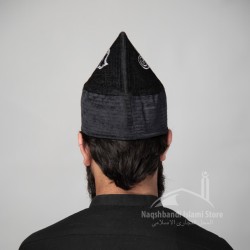

Naqshbandi Kufi Cone Taj & Turban Imama Cloth — A Global Symbol of Sufi Heritage and Prophetic Sunnah
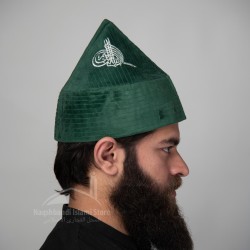
The Kufi Cone Taj and matched Turban Imama Cloths are more than garments — they are living links between the Prophetic Sunnah, the Naqshbandi tariqa, and the centuries of Ottoman Sufi artistry. Worn at dhikr gatherings, mawlids, nikah ceremonies and everyday Sunnah observance, these handcrafted velvet caps with Ottoman-style calligraphic embroidery (Bismillah in Tughra style and the Nalain Sharif emblem) are used widely across Indonesia, South Africa, USA, Italy, Malaysia, Argentina, Pakistan, France, Germany, Canada, UK, Chile, India, Australia, Spain, UAE, Malawi, Turkey, Japan, and Switzerland.
Introduction & Historical Background
The tradition of the imamah (turban) and supportive caps like the Kufi Cone Taj has deep roots in Islamic history. From the Prophet ﷺ and his Companions to the great Sufi masters and Ottoman scholars, head-covering has been associated with dignity, spiritual discipline, and respect during acts of worship. The Ottoman courts and Sufi zawiyas popularized ornate calligraphic panels and embroidered headwear; master calligraphers such as Mustafa Rakım Efendi perfected monumental scripts (Jeli Thuluth and Tughra forms) that now inspire the signatures embroidered on contemporary Naqshbandi caps.
The Kufi Cone Taj is shaped to be an ideal base — a cone approximately 8 inches tall (3.5" base + 4.5" peak) — that allows 5–13 meters of imamah cloth to be wrapped neatly and securely. This practical shape has been refined by artisans who combine centuries-old aesthetics with modern stitching and linings for durability and daily comfort.
Ottoman Calligraphy & Spiritual Symbols
The embroidery commonly features the Bismillah rendered in a tughra-inspired flourish and the Nalain Sharif emblem — both choices with deep spiritual meaning. The tughra style evokes imperial dignity and devotional beauty; the Nalain Sharif signifies love and reverence for the Prophet ﷺ and his blessed footprints. For many Naqshbandi murids, the cap visually ties personal devotion to a wider spiritual chain (silsila) and the noble history of Islamic scholarship.
Spiritual Significance & Naqshbandi Tradition
Within the Naqshbandi tariqa, outer forms of discipline are meaningful because they support inner transformation. Wearing the imamah and its base cap (the Kufi Cone Taj) is considered a physical discipline that helps the heart remain upright and focused during zikr and worship. The cap signifies humility before Allah, respect for the Prophet ﷺ and his family (Ahlul Bayt), and allegiance to the spiritual path.
Prophetic Sunnah Reference
The Prophetic Sunnah includes wearing head-covering in various contexts: during prayers, in gatherings of knowledge, and as a sign of dignity. While styles have varied across time and cultures, imamah wrapping has been a continuous practice among many Muslims who seek to emulate the prophetic etiquette. The Kufi Cone Taj helps devotees adopt this Sunnah in a way that is comfortable for modern life and robust enough for ceremonial use.
Lights of Naqshbandi Wisdom — From Garment to Sainthood
انوارِ نقشبند — لباس سے ولایت تک
In the Naqshbandi path, the outward Sunnah and inner adab are inseparable. The turban (Imamah) and cap (Kufi) are not merely garments but vessels of humility, symbols of remembrance, and crowns of spiritual dignity.
As Khwaja Bahauddin Naqshband (ق) said:
“الطريق كلّها آداب — The entire path is adab.”
Through this adab, the heart is illuminated, and the circle of light formed by the turban becomes a fortress for the soul.
In an age when material attire has dimmed spiritual awareness, Naqshbandi teachings remind us that the Sunnah attire is the fortress of the heart.
As Hazrat Shah Naqshband (ق) taught: “The purity of the outer is a reflection of the light of the inner.”
Every Kufi, every turban wrap, and every act of modesty becomes a living reflection of Divine Beauty.
The Naqshbandi path connects the seeker to the legacy of the Ahl al-Bayt, the Ottoman heritage, and the continuous spiritual chain from the Prophet Muhammad ﷺ to the present day masters such as Shaykh Abdullah al-Faiz ad-Daghestani, Shaykh Nazim al-Haqqani, Shaykh Hisham Kabbani, and Shaykh Muhammad Adil ar-Rabbani. Each emphasized that wearing the Sunnah is not imitation — it is connection.
Selected Sayings from Naqshbandi Masters
Khwaja Bahauddin Naqshband (ق): “Adab is the soul of our Tariqah; whoever loses adab loses the path.”
Imam Rabbani Mujaddid Alf-Thani (ر): “Follow the Sunnah outwardly and your inner self will be flooded with Nur.”
Hazrat Khwaja Ubaydullah Ahrar (ق): “The turban is a circle of remembrance — wear it with humility and awareness.”
Shaykh Abdullah Faiz Daghestani (ق): “Every thread tied in remembrance ties your heart to the Divine.”
Shaykh Nazim al-Haqqani (ق): “Wear the crown of faith so angels recognize you among mankind.”
Shaykh Hisham Kabbani: “The Imamah is a protection for the mind and a remembrance for the heart.”
Shaykh Muhammad Adil ar-Rabbani: “The believer’s honor is in humility; his crown is the Sunnah.”
Hazrat Mawlana Khalid al-Baghdadi (ق): “Clothe yourself in remembrance; every fold becomes a prayer.”
Shaykh Ahmad Sirhindi (ر): “The outer Sunnah awakens the sleeping soul — never belittle its power.”
Shaykh Alauddin Attar (ق): “Whoever carries the Imamah with sincerity walks in the footsteps of the Prophets.”
Inner Meaning — The Hidden Adab
The Naqshbandi way teaches that every fold of the turban and every thread of the Kufi is a circle of remembrance (Dhikr).
To wear the Sunnah is to remind the soul of its servanthood.
This is why the saints said, “Whoever honors the Sunnah outwardly, Allah honors his soul inwardly.”
The Imamah is a light upon the head; the Kufi is the foundation of that light. Together they form a spiritual fortress — calming the mind, purifying thoughts, and preparing the heart for Hudur (presence) in Dhikr. Every time the seeker places the Kufi upon his head, he affirms his allegiance to the Prophet ﷺ and to the chain of saints who carried this Nur through centuries.
From the Ottoman Caliphate to the Indian Subcontinent, from Turkey to Indonesia, from Pakistan to South Africa — this humble Sunnah connects millions of hearts in a single spiritual identity. In every language and culture, the message is one: Adab is the path, and the Sunnah is the key.
نقشبندی علم، امامہ، ٹوپی، صوفی لباس، نقشبندی طریقت، نقشبندی کپڑا، نقشبندی امامہ
نقشبندی تاج، نقشبندی سنت، نقشبندی سلسلہ
طریقت نقشبندیه، عمامة، قبعة صوفية، طريقه، محبة، نور، ذكر الله
Naqshbandi turban, Imamah cloth, Sufi Kufi Cap, Naqshbandi tariqa, Sunnah turban, Naqshbandi dhikr
قادری، چشتی، سہروردی، نقشبندی سلسلہ، محبت رسول ﷺ
Kufi Cone Cap Indonesia, Imama Malaysia, Naqshbandi Hat Pakistan, Turban Cloth USA, Sufi Taj Germany, Cone Cap France, Imama Italy, Islamic Cap UK, Spiritual Hat India, Naqshbandi Topi Turkey, Naqshbandi Taj UAE, Kufi Argentina, Imamah South Africa, Sufi Cap Spain, Turban Cloth Australia, Naqshbandi Imama Switzerland.
Practical Benefits & Everyday Use
The Kufi Cone Taj and its paired imamah cloths offer pragmatic advantages in addition to spiritual symbolism:
- Mental calm and concentration: Wearing a dedicated spiritual cap can help the mind enter a quieter, more focused state during prayer and dhikr.
- Reduction of anger and intrusive thoughts: The discipline of wearing the imamah fosters emotional steadiness for many practitioners.
- Practical support for long wraps: The cone cap is structured to hold 5m to 13m of turban cloth without slipping.
- Ceremonial dignity: At mawlids, nikah ceremonies, and formal gatherings, the cap + imamah combination conveys respect and unity among devotees.
- Daily Sunnah practice: For those seeking regular prophetic etiquette, wearing the cap while praying or performing adhkar makes adoption easier.
Fabric, Embroidery & Construction
The collection uses premium soft velvet for the outer shell, combined with a reinforced inner lining to maintain shape during long wraps. Seams are hand-stitched and double-locked. Embroidery is artisan-made: Bismillah in an Ottoman tughra-inspired flourish on the right, and the Nalain Sharif emblem on the left. These design choices are both aesthetic and symbolic — they reflect historical calligraphic traditions and convey deep devotional meaning.
Colors & Symbolic Notes
Each color carries cultural and spiritual resonance. For example, green (Dark Green / Parrot Green) is widely associated with the Prophet’s family and paradise; black conveys dignity and formality; white signifies purity and is widely used in religious contexts; maroon and camel brown are preferred for formal Sufi gatherings in some traditions. Ultimately, color choice is personal — the spiritual benefit comes from sincere use and humility.
Dimensions & Size Guide
The Kufi Cone Taj is standardized for optimal wrapping comfort:
| Size | Head Circumference (Inches) | Head Circumference (cm) | Notes |
|---|---|---|---|
| Small | 21.5" | 55 cm | Fits most teenagers and small adults |
| Medium | 22" | 56 cm | Average adult fit |
| Large | 22.5" | 57 cm | Comfortable for larger heads |
| XL | 23" | 58 cm | Room for additional lining or thicker hair |
| XXL | 23.5" | 60 cm | Loose fit for heavy wraps |
| XXXL | 24" | 61 cm | Maximum comfortable circumference |
How to Measure (Text Guide)
- Use a soft measuring tape.
- Wrap the tape around the widest part of your head — above the ears and across the forehead where the cap will sit.
- Read the measurement in inches or centimeters and pick the closest size in the table.
- If between sizes, choose the larger size for comfort when wrapping long imamah cloths.
How to Use — Cloth Lengths, Wrapping & Styling
The Kufi Cone Taj supports multiple wrapping lengths. Choose a cloth length depending on your desired style and occasion:
- 5 metres: Short, neat wrap for everyday wear and compact mawlid style.
- 7 metres: Slightly taller style, good for formal gatherings.
- 9 metres: Traditional Naqshbandi wrap height favored in some regions for dhikr circles.
- 11 metres: Ceremonial height, used frequently at weddings and special mawlids.
- 13 metres: Tall, majestic wrap for formal spiritual leaders or festive processions.
Tips for wrapping: always begin with the cap secure and centered; keep even tension; layer the cloth in consistent widths; tuck the tail neatly; practice at home to find your preferred height and balance.
Kufi Cone Taj — Collection (Caps)
Below is the combined list of the prime Kufi Cone Taj caps in our collection. Images are set to 100px for clarity and quick browsing. Each entry links to the product page for purchase and more details.
| Image | Color / Title | Product Link |
|---|---|---|
 |
Dark Green — Kufi Cone Taj | View / Buy — Dark Green |
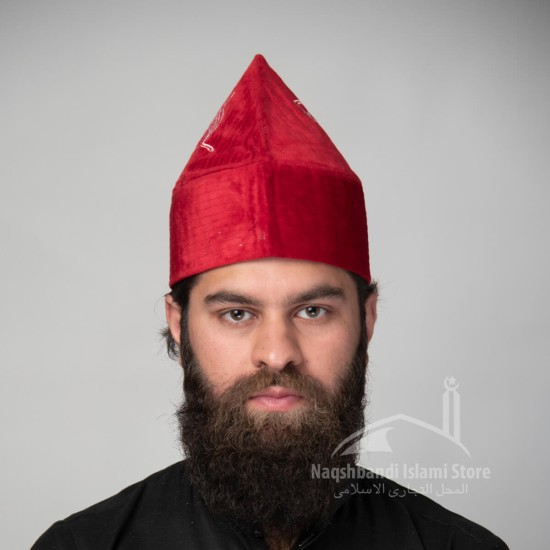 |
Maroon — Kufi Cone Taj | View / Buy — Maroon |
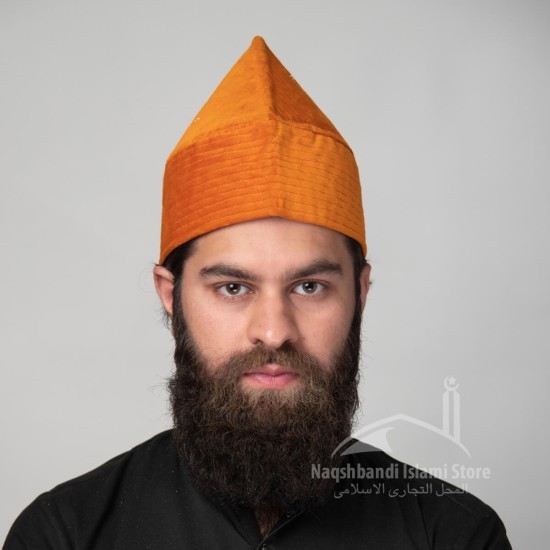 |
Orange — Kufi Cone Taj | View / Buy — Orange |
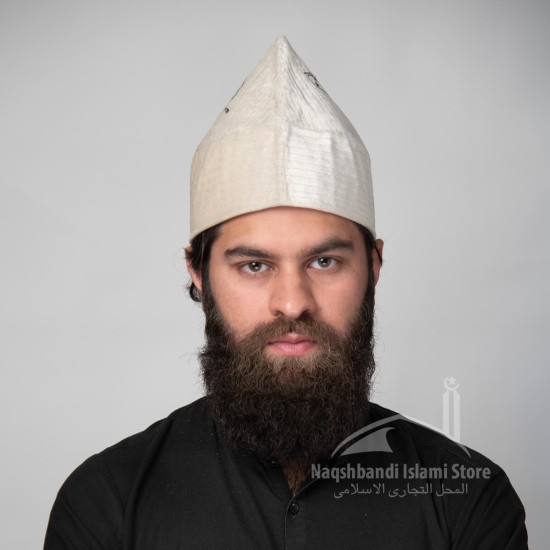 |
White — Kufi Cone Taj | View / Buy — White |
 |
Black — Kufi Cone Taj | View / Buy — Black |
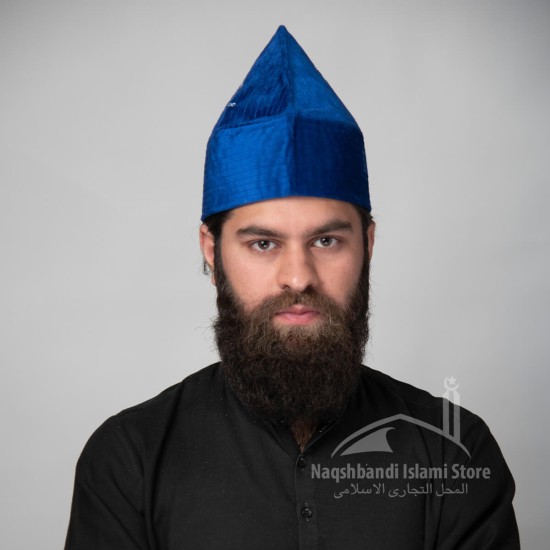 |
Blue — Kufi Cone Taj | View / Buy — Blue |
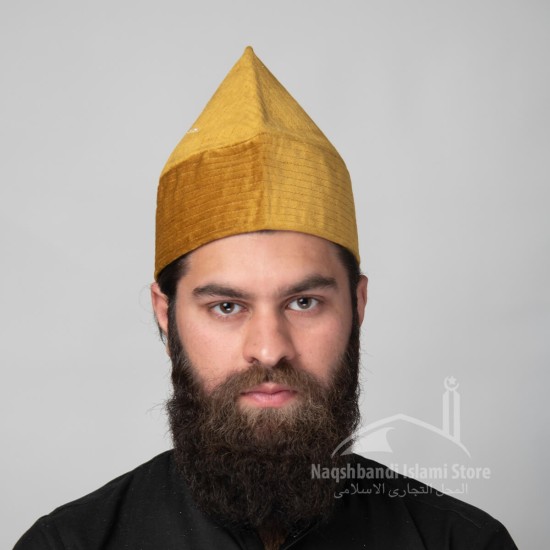 |
Camel Brown — Kufi Cone Taj | View / Buy — Camel Brown |
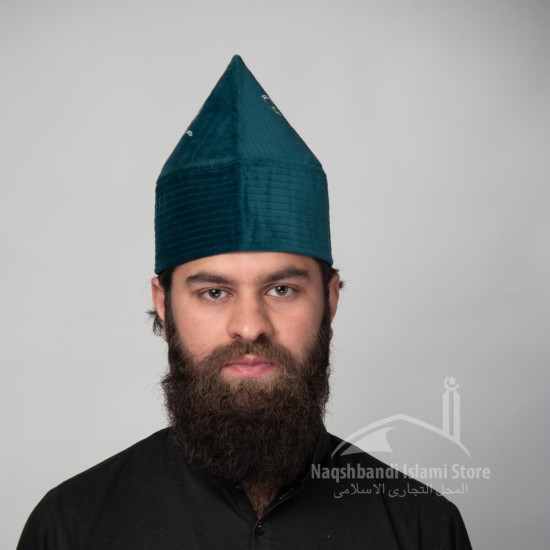 |
Sea Blue — Kufi Cone Taj | View / Buy — Sea Blue |
 |
Parrot Green — Kufi Cone Taj | View / Buy — Parrot Green |
Turban Imama Cloths — Collection
Choose the matching imamah cloth for immediate pairing. Each turban cloth listed below links directly to its product page (do-follow), includes a 100px thumbnail and a short caption for buyer convenience.
| Image | Turban Name | Link |
|---|---|---|
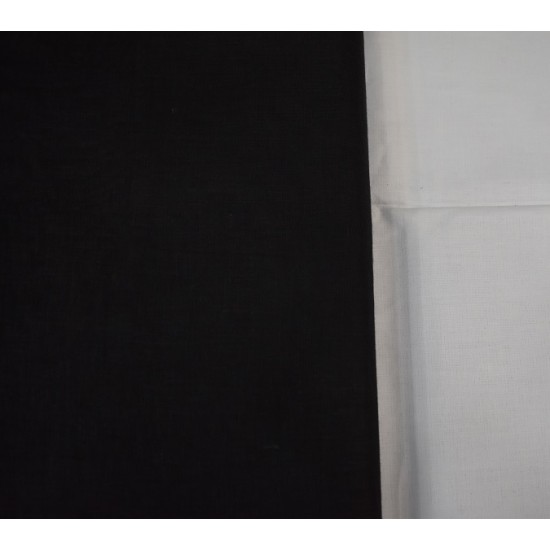 |
Black Traditional Imama Turban — Mystical headwear for scholars | View / Buy — Black Imama |
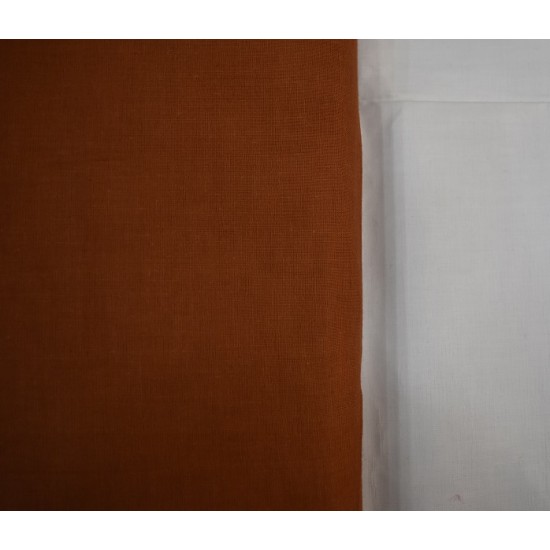 |
Brown Scholar’s Imama Turban — Traditional & dignified | View / Buy — Brown Imama |
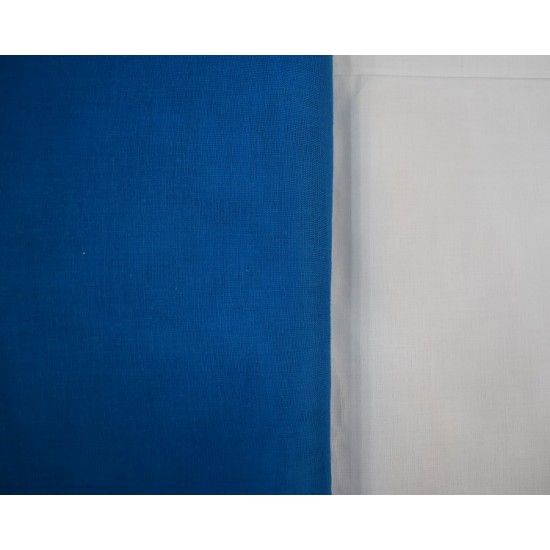 |
Dark Blue Imama Turban — Regal for formal gatherings | View / Buy — Dark Blue Imama |
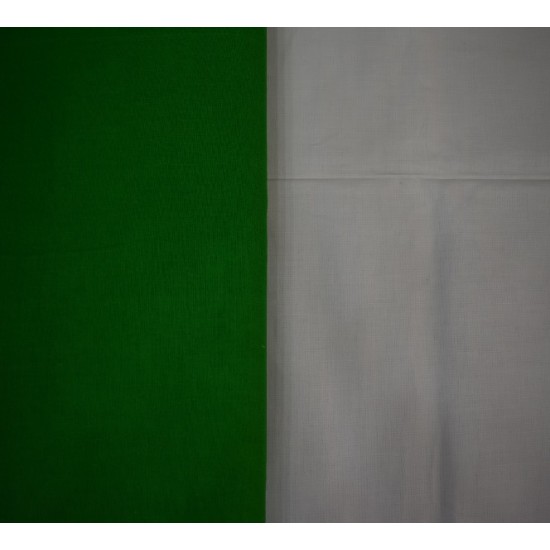 |
Dark Green Sufi Leader’s Imama — Symbol of purity and peace | View / Buy — Dark Green Imama |
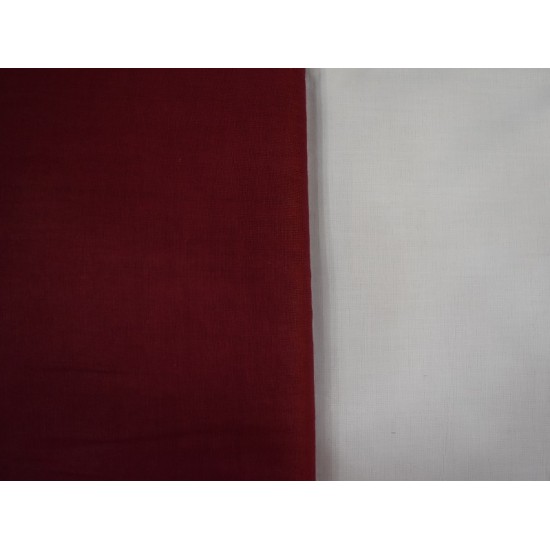 |
Maroon Dervish Imama — Symbol of spiritual strength | View / Buy — Maroon Imama |
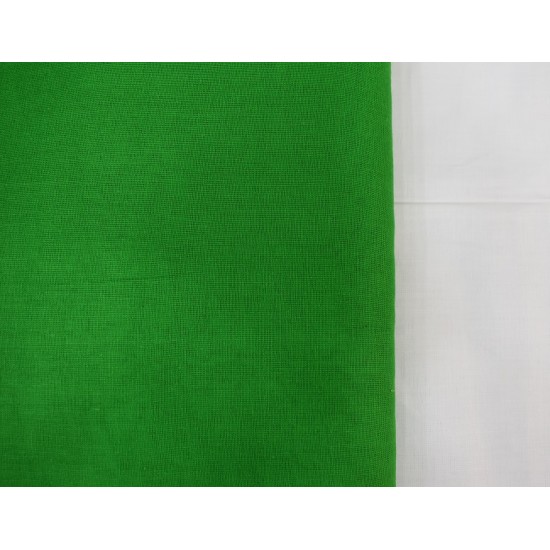 |
Green Devotee’s Imama — Classic and devotional | View / Buy — Green Imama |
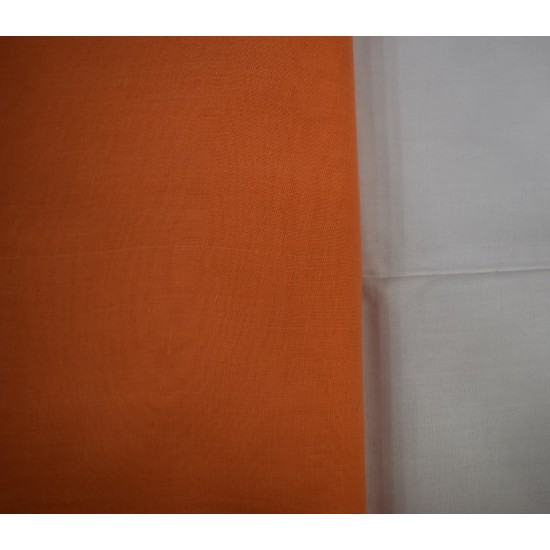 |
Orange Devotional Imama — Vibrant ceremonial color | View / Buy — Orange Imama |
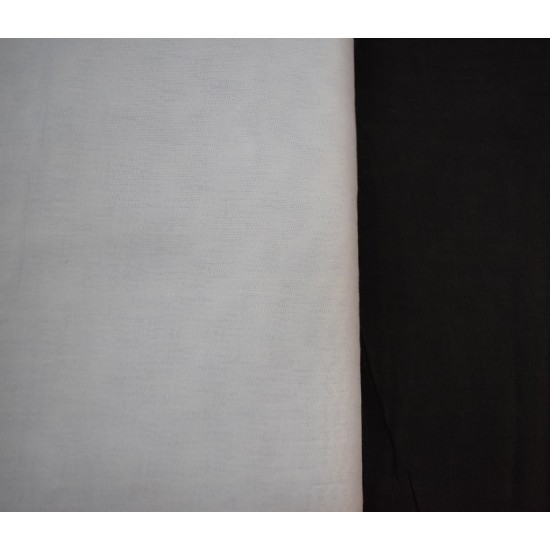 |
White Turban Imama — Purity & leadership | View / Buy — White Imama |
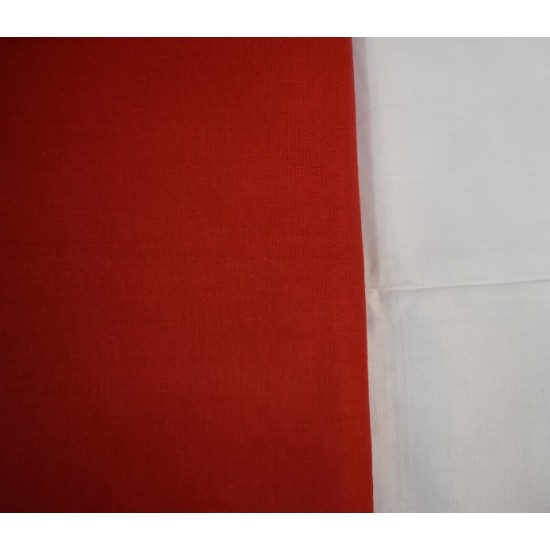 |
Solid Red Imama — Bold ceremonial choice | View / Buy — Red Imama |
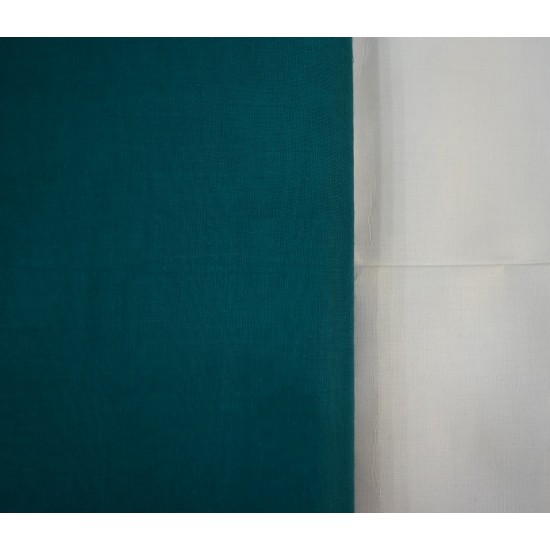 |
Sea Green Harmony Imama — Calm & spiritual | View / Buy — Sea Green Imama |
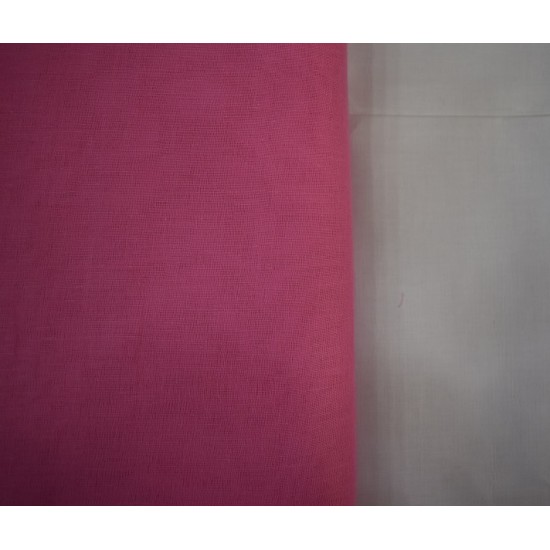 |
Rose Pink — Compassionate ceremonial choice | View / Buy — Rose Pink Imama |
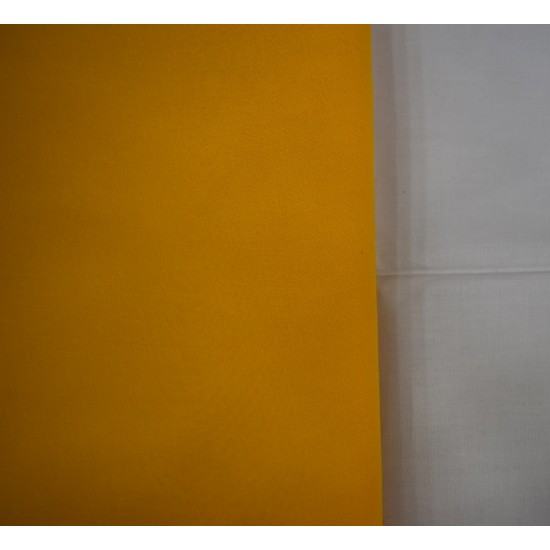 |
Yellow / Turmeric — Enlightened & celebratory | View / Buy — Yellow Imama |
Care & Washing Instructions
To maintain the velvet texture and embroidery quality, follow these guidelines:
- Hand wash only in cold water with mild detergent.
- Do not bleach or use abrasive soaps.
- Gently reshape while damp and air dry in the shade; avoid direct sunlight.
- Do not iron directly over embroidered areas; use a low-heat iron with a cloth barrier if necessary.
- Store flat or on a rounded stand to preserve the cone shape and avoid creasing.
Frequently Asked Questions (Comprehensive)
- Q: What is a Kufi Cone Taj?
A: A cone-shaped velvet cap that serves as the foundation for tying an imamah (turban). Designed for Naqshbandi/Sufi use and ceremonial wear. - Q: Is wearing the imamah a Prophetic Sunnah?
A: The practice of wearing head-coverings and turbans is rooted in the Prophetic tradition. Many Sufi orders preserve and contextualize this practice as part of spiritual discipline. - Q: What lengths of cloth are suitable?
A: Recommended cloth lengths are 5m, 7m, 9m, 11m, and 13m, depending on desired height and formality. - Q: How do I choose the right cap size?
A: Measure the widest part of your head above the ears and consult the size table. If between sizes, choose the larger for comfort while wrapping. - Q: Can I wear the cap daily?
A: Yes. The Kufi Cone Taj is made for daily Sunnah observance and frequent ceremonial use. - Q: Are the embroideries durable?
A: Yes. Embroidery is hand-stitched with reinforced threads. Follow care instructions to prolong life. - Q: Which turban cloth color matches a Blue cap?
A: Dark Blue, White, Black, or complementary green and camel tones work well. Use the combined tables above for direct links. - Q: Is worldwide shipping available?
A: Yes. We ship to Indonesia, South Africa, USA, Italy, Malaysia, Argentina, Pakistan, France, Germany, Canada, UK, Chile, India, Australia, Spain, UAE, Malawi, Turkey, Japan, Switzerland and beyond. - Q: Are these caps suitable for religious leaders?
A: Yes. The premium velvet and Ottoman-style embroidery make them appropriate for leaders and scholars in formal settings. - Q: Can beginners in Naqshbandi orders wear these caps?
A: Absolutely. They are designed for all murids; beginners should follow their guide’s instructions for proper wrapping. - Q: How do I care for heavy embroidery?
A: Avoid machine washing; hand wash gently, avoid scrubbing embroidered areas, and air dry. - Q: Which cap is best for weddings?
A: White, Black, Maroon, or Camel Brown are popular choices for nikah and wedding ceremonies, depending on local customs. - Q: Do colors have spiritual meanings?
A: Colors carry cultural and spiritual resonance: green for the Prophet’s family, white for purity, black for dignity, maroon for devotion. Choose according to tradition and personal devotion. - Q: Is the cap uncomfortable with long wraps?
A: Properly sized caps with reinforced linings are comfortable even with 11–13m wraps. Practice wrapping to adjust tension and balance. - Q: What is the Nalain Sharif symbol?
A: Nalain Sharif (blessed sandals) symbol honors the Prophet ﷺ and expresses deep love and humility toward him. - Q: Do these designs reflect Ottoman heritage?
A: Yes—calligraphic embroidery and tughra-inspired designs are explicit references to Ottoman calligraphic heritage. - Q: Can I buy just the turban cloth?
A: Yes. The Turban Imama Cloth collection includes individual cloths you can buy separately (links above). - Q: Are there matching sets for caps & cloths?
A: Yes. Use the combined tables to pick matching cap & imamah cloth combinations. - Q: How to store the cap?
A: Store flat or on a rounded stand, in a dry place, inside a protective bag. - Q: Is there special packaging for international delivery?
A: Yes—caps are carefully packaged to protect shape and embroidery during transit. - Q: What if I need custom embroidery?
A: Contact store support for bespoke orders; we can discuss custom embroidery and calligraphic work. - Q: Are refunds or exchanges available?
A: Check the store’s return policy; returns and exchanges vary by region and condition of the item.
Video — How to Tie a Turban (Practical Demonstration)
Below is a practical video demonstration showing traditional methods to tie an imamah using a cone base. This is a reference; follow your guide’s instructions for specific Naqshbandi styles.
Naqshbandi Wisdom — Selected Quotes
A short collection of meaningful statements from revered Naqshbandi teachers and elders, preserved to inspire practice and humility:
- Shaykh Abdullah Faiz Daghestani: “True guidance is shown when small acts of discipline are performed with large sincerity.”
- Shaykh Nazim al-Haqqani: “The imamah is not ornament — it is a reminder to ensure the heart is rightly aligned.”
- Shaykh Hisham Kabbani: “When you sit for zikr wearing the sign of the tariqa, do so with a humble heart.”
- Shaykh Muhammad Adil: “Outer form supports inner reality — do not neglect the outward discipline.”
- Shaykh Abdullah Faiz: “The way of the murid is slow and steady — the cap is one step among many.”
- Senior Naqshbandi Counsel: “Wear the imamah as a servant, not a show of rank.”
- Naqshbandi Elder: “Each stitch that honors the Prophet ﷺ connects us to spiritual lineage.”
- Naqshbandi Teacher: “Presence in zikr is the main goal; clothing helps remind us.”
- Lineage Saying: “The silsila continues through hearts aligned to the Sunnah.”
- Sufi Reminder: “Dress with respect — enter the presence of Allah with dignity.”
Conclusion — A Global Symbol of Shared Love & Remembrance
The Naqshbandi Kufi Cone Taj and matched Turban Imama Cloths are crafted for devotion. They are practical, ceremonial, and spiritually oriented — appropriate for murids, scholars, and families across continents. Whether in Indonesia (topi Sufi), Pakistan (نقشبندی ٹوپی), Turkey (sufî başlık), France (chapeau soufi), or the USA, these caps create a visible sign of shared devotion and a common spiritual identity.
Explore the full collections here:
• Kufi Cone Taj Collection — Naqshbandi Taj
• Turban Imama Cloth Collection
Note: The Kufi Cone Taj collection is a prime product line — premium velvet, artisan embroidery, and thoughtfully built for spiritual gatherings, daily Sunnah observance, and ceremonial use.