



-1140x400.jpg "Naqshbandi Taweez – History, Islamic Rulings, Barakah & Protection Guide")
Naqshbandi Taweez – History, Barakah, Protection & Spiritual Guidance
Welcome to Naqshbandi Islami Store’s detailed guide on the Naqshbandi Taweez. This blog is a complete resource for seekers who wish to understand the sacred history, spiritual depth, Islamic rulings, and the significance of Taweez in the Naqshbandi tradition. With references from the Qur’an, Hadith, Prophets, Sufi masters, and the heritage of our awliya, this guide will help you discover the blessed meanings and proper etiquette of wearing, keeping, and preserving Taweez.
Table of Contents
- Introduction
- Pre-Islamic History of Taweez & Sacred Relics
- Belongings of Prophets & Pious as Barakah
- Islamic Jurisdiction: Is Taweez Allowed?
- Taweez in the Prophet’s (ﷺ) Time & Rashidun Caliphs
- Taboot-e-Sakina in Qur’an & Its Significance
- History of the Naqshbandi Taweez
- Shaykh Nazim, Shaykh Hisham & Deputies on Taweez
- What is Written on the Naqshbandi Taweez?
- Taweez & Protection for Followers of Imam Mahdi (ع)
- Etiquette of Wearing & Placing Taweez
- Cleaning & Preserving Different Types of Taweez
- How to Respectfully Destroy a Taweez
- Naqshbandi Islami Store Taweez Catalog
- Conclusion
Introduction
Taweez (talisman, amulet, naqsh) is one of the oldest spiritual practices known across civilizations. In the Islamic and especially Sufi traditions, Taweez is not superstition but rather a physical medium of Qur’anic verses, Divine Names, Prophetic du‘as, and awliya guidance, used as a means for barakah (blessing), hifazah (protection), and shifa (healing). In this blog, we explore the Naqshbandi Taweez, its history, rulings, etiquette, and legacy, while also presenting the authentic Taweez available at Naqshbandi Islami Store.
Pre-Islamic History of Taweez & Sacred Relics
Long before Islam, Prophets of Allah carried sacred objects that served as tokens of Divine Presence and protection. Examples include:
- Staff of Sayyiduna Musa (ع): A miraculous tool that split the sea and defeated Pharaoh’s magicians.
- Ring of Sayyiduna Sulayman (ع): Inscribed with Divine Names, it granted authority over jinn, men, and creation.
- Garment of Sayyiduna Yusuf (ع): Restored Ya‘qub (ع)’s eyesight by Allah’s will.
These sacred relics were not worshipped, but honored as symbols of Allah’s Mercy and means of blessing for the communities.
Belongings of Prophets & Pious as Barakah
The Qur’an and Hadith confirm that athar (sacred belongings) of Prophets and pious people carried barakah:
“And their Prophet said to them, ‘Indeed, the sign of his kingship is that the Ark will come to you in which is tranquility from your Lord and a remnant of what the family of Musa and the family of Harun had left, carried by the angels.’”
(Surah Al-Baqarah 2:248)
This verse highlights how objects of Prophets were means of Divine sakina (peace) for entire nations.
Islamic Jurisdiction: Is Taweez Allowed?
Many Muslims ask: Is Taweez shirk or bid‘ah? The answer, based on Qur’an, Hadith, and rulings of Sunni scholars, is clear:
- If a Taweez contains Qur’an, du‘a, Divine Names, or permissible supplications, it is allowed.
- It is only forbidden if it contains shirk (invocations to other than Allah) or black magic.
Great scholars like Imam Ahmad ibn Hanbal permitted Taweez with Qur’an. The Naqshbandi Taweez falls within this category: pure, Qur’anic, protective.
Taweez in the Prophet’s (ﷺ) Time & Rashidun Caliphs
The Prophet ﷺ himself allowed Qur’anic ruqyah and permitted companions to use verses for protection. After his passing, the cloak, hair, and relics of the Prophet ﷺ were preserved by the Sahaba, carried into battle, and kept as a source of blessing.
Taboot-e-Sakina in Qur’an & Its Significance
The Taboot-e-Sakina (Ark of the Covenant) was carried by angels to Bani Israel. It contained:
- The staff of Musa (ع)
- Fragments of the Tablets of Torah
- Garments of Musa (ع) and Harun (ع)
This Ark was a sign of Allah’s tranquility and victory for the people. Likewise, Taweez are miniature reflections of sacred relics—carrying the words of Allah and Divine symbols.
History of the Naqshbandi Taweez
The Naqshbandi Taweez has a specific origin in the 20th century. It was written by Shaykh Abdullah Faiz Daghestani (q) during a time of intense spiritual struggle, as protection for seekers. Later, Shaykh Nazim al-Haqqani (q) spread its use widely in the Naqshbandi Haqqani Tariqah, granting it to murids as a spiritual shield.
Shaykh Nazim, Shaykh Hisham & Deputies on Taweez
Shaykh Nazim (q) emphasized that the Taweez is a Divine trust (amana) for protection in difficult times. Shaykh Hisham Kabbani (h) explained its significance for followers of Imam Mahdi (ع). Deputies around the world distribute Taweez as symbols of barakah, healing, and safety.
The Naqshbandi Taweez (Naqsh / Ruqya) of Grandshaykh
Abdullah al-Faiz ad-Daghestani (قدس الله سره)
The sacred Naqshbandi Taweez — also known as the Naqsh or Ruqya Taweez — holds a unique position in Sufi tradition. Its origin traces back to Jabal Qāsiyūn (جبل قاسيون) overlooking Damascus, where Grandshaykh Abdullah al-Faiz ad-Daghestani (ق) received the divine design through a vision guided by the presence of the Holy Prophet Muhammad ﷺ.
In that sacred vision, the Prophet ﷺ instructed Grandshaykh to write a circular design — a spiraling formula of divine protection — and said: “No jinn can interfere with that person, and if difficulties exist, they will be improved.”
(Source: Naqshbandi.org, Nurmuhammad.com)
The Vision and Sacred Writing
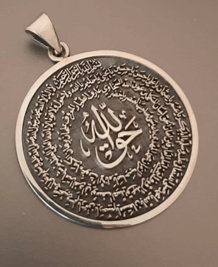
Under the Prophet’s ﷺ spiritual supervision, Grandshaykh Abdullah’s blessed hand began to move in a spiraling motion, forming a perfect circular script. The words inscribed became a celestial code of protection, mercy, and divine connection. The Taweez’s design mirrors the cosmic orbit — all creation revolving around the Divine Center (Allāh).
Arabic: بسم الله الرحمن الرحيم لا إله إلا الله محمد رسول الله ﷺ
Transliteration: Bismillāh ir-Raḥmān ir-Raḥīm — Lā ilāha illallāh, Muḥammadur Rasūlullāh ﷺ
English: In the Name of Allah, the Most Merciful, the Most Compassionate — There is no deity except Allah, Muhammad is the Messenger of Allah ﷺ
The Taweez contains sacred invocations combining the Names of Allah, the Prophet ﷺ, and the Awliyāʾ (saints), invoking divine mercy and protection. Among these are:
Arabic: يا رحمن يا رحيم يا مستعان بالله
Transliteration: Yā Raḥmān, Yā Raḥīm, Yā Mustaʿān billāh
English: O Most Merciful, O Most Compassionate, O the One Whose help is sought through Allah
Arabic: يا صاحب الزمان محمد المهدي
Transliteration: Yā Ṣāḥib az-Zamān Muḥammad al-Mahdī
English: O Master of the Age, Muhammad al-Mahdi (peace be upon him)
Arabic: يا خضر، يا عيسى، يا أولياء الله، أدركونا
Transliteration: Yā Khidr, Yā ʿĪsā, Yā Awliyāʾ Allāh, adrikūnā
English: O Khidr, O Jesus, O Friends of Allah, assist us
Composition and Structure
The text of the Naqshbandi Taweez begins with the Kalima Ṭayyiba and continues with the Asmaʾ Allah al-Ḥusnā (Beautiful Names of Allah), followed by praises and salutations upon the Prophet ﷺ and the righteous Companions and Saints. Each line moves inwards, forming a spiral — symbolizing the soul’s journey towards the Divine Presence.
“As the universe revolves around the Divine Center, so too must the believer’s heart revolve around the remembrance of Allah.”
— Shaykh Abdullah al-Faiz ad-Daghestani (ق)
Spiritual Rationale and Barakah
The spiral pattern represents the tawaf (circumambulation) of the heart around Divine Light. Each circle is a layer of divine protection — against physical harm, unseen enemies, and inner weakness. By Allah’s permission, the Taweez acts as a mirror reflecting spiritual light (nūr) upon its bearer.
In Sufi understanding, such sacred writings carry the barakah (spiritual energy) of their source — the vision of a saint under prophetic guidance. The Taweez serves as both a duʿāʾ written in form and a reminder of reliance upon Allah.
The Seven Deputies (النقباء السبعة) of Imam al-Mahdi (عليه السلام)
Within the sacred Naqshbandi Taweez, seven luminous names are inscribed — the Nuqabāʾ as-Sabʿah (Seven Deputies) of Sayyidunā Imam al-Mahdi (عليه السلام). Their presence symbolizes spiritual guardianship and divine protection over the Ummah in the End Times. These seven deputies are known in Sufi cosmology as the pillars of hidden sainthood (Rijāl al-Ghayb), whose names carry powerful barakah.
1. Arabic: سيدنا عبد القادر الجيلاني (قدس الله سره)
Transliteration: Sayyidunā ʿAbd al-Qādir al-Jīlānī (QaddasAllāhu Sirrah)
English: Master ʿAbd al-Qādir al-Jilani — the Ghawth al-Aʿẓam (Supreme Helper) of the Ummah.2. Arabic: سيدنا أحمد الرفاعي (قدس الله سره)
Transliteration: Sayyidunā Aḥmad ar-Rifāʿī (QaddasAllāhu Sirrah)
English: Master Aḥmad ar-Rifāʿī — the Pole of Mercy and Spiritual Humility.3. Arabic: سيدنا إبراهيم الدسوقي (قدس الله سره)
Transliteration: Sayyidunā Ibrāhīm ad-Dasūqī (QaddasAllāhu Sirrah)
English: Master Ibrāhīm ad-Dasūqī — the Guardian of Hidden Realities.4. Arabic: سيدنا أحمد البدوي (قدس الله سره)
Transliteration: Sayyidunā Aḥmad al-Badawī (QaddasAllāhu Sirrah)
English: Master Aḥmad al-Badawī — the Banner of the Righteous and Defender of Truth.5. Arabic: سيدنا أبو الحسن الشاذلي (قدس الله سره)
Transliteration: Sayyidunā Abū al-Ḥasan ash-Shādhilī (QaddasAllāhu Sirrah)
English: Master Abū al-Ḥasan ash-Shādhilī — the Saint of Divine Reliance (Tawakkul).6. Arabic: سيدنا بهاء الدين النقشبندي (قدس الله سره)
Transliteration: Sayyidunā Bahāʾ ad-Dīn an-Naqshband (QaddasAllāhu Sirrah)
English: Master Bahāʾ ad-Dīn Naqshband — the founder of the Naqshbandi Path, Seal of Spiritual Guidance.7. Arabic: سيدنا عبد الله الفائض الداغستاني (قدس الله سره)
Transliteration: Sayyidunā ʿAbdAllāh al-Fāʾiẓ ad-Dāghistānī (QaddasAllāhu Sirrah)
English: Master ʿAbdAllāh ad-Dāghistānī — the inheritor of Prophetic Secrets and guide of the age.
Together, these seven saintly deputies are believed to form the invisible council (Majlis al-Awliyāʾ) that serves under the leadership of Imam al-Mahdi (ع). Their names are written in the Taweez in circular alignment around the central Ism Allah (اسم الله), reflecting their continuous service in protecting the believers and preparing hearts for the era of divine justice.
Arabic: يا نقباء الإمام المهدي، احفظونا بنور الله
Transliteration: Yā Nuqabāʾ al-Imām al-Mahdī, iḥfaẓūnā bi-Nūr Allāh
English: O Deputies of Imam al-Mahdi, protect us with the Light of Allah.
References: Nurmuhammad.com, Naqshbandi.org, Wikipedia – Naqshbandi Haqqani Sufi Order
Prophetic and Sufi Support
Hadith 1: “Tie it (the Qur’an or duʿāʾ) and rely upon Allah.” — (al-Ṭabarī, Tafsīr)
Hadith 2: “There is no harm in ruqya as long as it contains no shirk.” — (Sahih Muslim)
Hadith 3: “Seek treatment, O servants of Allah, for Allah has not made a disease without making a cure.” — (Sahih al-Bukhari)
Distribution and Continuation
By Grandshaykh’s permission, the Taweez was reproduced by his deputies using saffron-diluted ink, written by pure-hearted individuals — never printed by machinery in the early days. Later, under authorization, Shaykh Nazim al-Haqqani and Shaykh Hisham Kabbani permitted printed forms for protection of murids worldwide. Yet, hand-written Taweez are still regarded as most spiritually charged.
Testimonies and Miracles
Murids from Syria, Pakistan, Turkey, Malaysia, and the UK have shared experiences of healing, safety from accidents, protection from black magic, and removal of jinn affliction after wearing or placing the Taweez in their homes.
“When I placed the Taweez above my doorway, I felt peace in the home. Even the arguments stopped.”
— Naqshbandi murid, London“During an operation, my wife kept the Taweez near her heart. The surgeon said it was a miracle how she recovered so fast.”
— Murid, Karachi
Position in the Naqshbandi Tariqah
This Taweez is considered a special spiritual gift (khāṣṣ) of Grandshaykh Abdullah to his followers — an inheritance of ṣidq al-barakah (authentic blessing). It reflects his role as a protector of hearts and faith in the age of spiritual darkness. Shaykh Nazim al-Haqqani (ق) emphasized that the Taweez is a symbol of mercy and protection for the Ummah of the Prophet ﷺ, especially during the era of Imam al-Mahdi (ع).
“The Naqsh protects those who carry it with adab (good manners), faith, and purity of intention. It is a reminder that protection comes from Allah, through the light of His Beloved ﷺ.”
— Shaykh Nazim al-Haqqani (ق)
References: Nurmuhammad.com, Naqshbandi.org, Wikipedia – Naqshbandi Haqqani Sufi Order
What is Written on the Naqshbandi Taweez?
بِسْمِ اللهِ الرَّحْمٰنِ الرَّحِيمِ
لَا إِلٰهَ إِلَّا اللهُ مُحَمَّدٌ رَسُولُ اللهِ ﷺ وَعَلٰى آلِهِ وَصَحْبِهِ وَسَلَّمَ
يَا رَحْمٰنُ يَا رَحِيمُ
يَا مُسْتَعَانُ يَا اللهُ
يَا مُحَمَّدُ صَلَّى اللهُ تَعَالَى عَلَيْهِ وَسَلَّمَ
يَا أَبَا بَكْرٍ، يَا عُمَرُ، يَا عُثْمَانُ، يَا عَلِيُّ، يَا حَسَنُ، يَا حُسَيْنُ، يَا يَحْيَى
يَا حَلِيمُ يَا اللهُ
وَلَا حَوْلَ وَلَا قُوَّةَ إِلَّا بِاللهِ الْعَلِيِّ الْعَظِيمِ
شَهَامَةُ الْفَرْدَانِيِّ
يُوسُفُ الصِّدِّيقُ
عَبْدُ الرَّؤُوفِ الْيَمَنِيُّ
إِمَامُ الْعَارِفِينَ أَمَانُ الْحَقِّ
لِسَانُ الْمُتَكَلِّمِينَ عَوْنُ اللهِ السَّخَاوِيُّ
عَارِفُ الطَّيَّارِ بِمِلْحَانَ
بُرْهَانُ الْكَرَمَا
غَوْثُ الْأَنَامِ
يَا صَاحِبَ الزَّمَانِ مُحَمَّدُ الْمَهْدِيُّ
يَا عِيسَى، وَصَاحِبَ الْعُنْصُرِ، يَا خِضْرُ
| Arabic Phrase | English Meaning / Spiritual Significance |
|---|---|
| بِسْمِ اللهِ الرَّحْمٰنِ الرَّحِيمِ | In the Name of Allah, the Most Gracious, the Most Merciful — the divine opening of all protection. |
| لَا إِلٰهَ إِلَّا اللهُ مُحَمَّدٌ رَسُولُ اللهِ ﷺ وَعَلٰى آلِهِ وَصَحْبِهِ وَسَلَّمَ | The declaration of Divine Oneness and Prophethood — the seal of safety in all realms. |
| يَا رَحْمٰنُ يَا رَحِيمُ | O Most Compassionate, O Most Merciful — invocation of Divine Mercy. |
| يَا مُسْتَعَانُ يَا اللهُ | O Helper, O Allah — seeking aid directly from Divine Strength. |
| يَا مُحَمَّدُ صَلَّى اللهُ تَعَالَى عَلَيْهِ وَسَلَّمَ | O Muhammad ﷺ — seeking intercession of the Beloved of Allah. |
| يَا أَبَا بَكْرٍ، يَا عُمَرُ، يَا عُثْمَانُ، يَا عَلِيُّ، يَا حَسَنُ، يَا حُسَيْنُ، يَا يَحْيَى | Calling upon the rightly guided Caliphs, the Ahl al-Bayt, and Sayyiduna Yahya (A.S.) — symbols of truth and sacrifice. |
| يَا حَلِيمُ يَا اللهُ | O Forbearing, O Allah — invoking divine patience and gentleness. |
| وَلَا حَوْلَ وَلَا قُوَّةَ إِلَّا بِاللهِ الْعَلِيِّ الْعَظِيمِ | There is no power nor strength except with Allah, the Most High, the Most Great — absolute surrender and safety. |
| شَهَامَةُ الْفَرْدَانِيِّ • يُوسُفُ الصِّدِّيقُ • عَبْدُ الرَّؤُوفِ الْيَمَنِيُّ • إِمَامُ الْعَارِفِينَ أَمَانُ الْحَقِّ | Names of hidden saints and spiritual deputies — embodying truth, courage, and knowledge (‘ilm al-ladunni). |
| لِسَانُ الْمُتَكَلِّمِينَ عَوْنُ اللهِ السَّخَاوِيُّ • عَارِفُ الطَّيَّارِ بِمِلْحَانَ | Saints who defend Divine speech and purity of revelation — guardians of wisdom and flight of the soul. |
| بُرْهَانُ الْكَرَمَا • غَوْثُ الْأَنَامِ | “Proof of the Generous” and “Helper of Mankind” — titles of high saints who intercede for humanity. |
| يَا صَاحِبَ الزَّمَانِ مُحَمَّدُ الْمَهْدِيُّ | O Master of the Age, Muhammad al-Mahdi — call for divine guidance and protection under the awaited Imam. |
| يَا عِيسَى، وَصَاحِبَ الْعُنْصُرِ، يَا خِضْرُ | O Jesus, O Guardian of the Element, O Khidr — invocation of the eternal living saints who aid believers unseen. |
Note: The Arabic text above reflects the authentic version of the Naqshbandi Taweez preserved in the line of Grandshaykh ʿAbdAllāh ad-Dāghistānī (قدس الله سره) as taught by Mawlānā Shaykh Nazim al-Haqqani and his deputies. It is traditionally handwritten in saffron ink by a pious person and enclosed within a circle — symbolizing the spiritual orbit of remembrance (dhikr).
These are written in a geometrical form that radiates Divine energy, serving as a shield against shaytanic influence and harm.
Taweez & Protection for Followers of Imam Mahdi (ع)
According to Naqshbandi Shaykhs, the Taweez holds a special connection with the coming era of Imam Mahdi (ع). It is said to carry Divine protection for believers who will face trials, fitan, and tribulations before his arrival.
Etiquette of Wearing & Placing Taweez
For Males: Wear on the neck, upper arm, or keep in pocket. Avoid bathrooms and private times.
For Females: Same as males, but remove during menstrual cycles and private times with husband.
Homes & Zawiyas: Larger Taweez can be placed in living rooms, masjids, zawiyas, and khalwat corners as sources of barakah.
Cleaning & Preserving Different Types of Taweez
- Gold/Silver: Clean with soft cloth, avoid chemicals.
- Leather: Keep dry, avoid excess water.
- Brass/Badges: Polish lightly, do not scratch.
- Cloth Wall Hangings: Frame in glass for protection, or keep dry if unframed.
How to Respectfully Destroy a Taweez
If you no longer wish to keep a Taweez, never throw it in garbage. Instead:
- Bury it in clean ground
- Place it in a flowing river/stream
- Burn respectfully and scatter ashes
Naqshbandi Islami Store Taweez Catalog
Below is our catalog of authentic Naqshbandi Taweez. Each product is crafted with care and carries spiritual significance. Click the links to learn more: Choose the form that suits your practice: pendants, leather pouches, framed hangings, brass badges, or authorized handwritten inserts. Click "Buy" to open the product page in a new tab.
| Taweez Name | Type / Material | Short Description | How to Wear / Place | Buy Link |
|---|---|---|---|---|
| Naqshbandi Taweez Pendant — Silver | Sterling Silver Locket | Removable insert with authenticated Naqshboardi naqsh; durable everyday pendant, discreet and dignified. | Wear under the shirt near the chest or keep in an inner pocket; keep dry and clean; remove for surgery if instructed by a surgeon. | Buy — Silver Pendant |
| Naqshbandi Taweez Pendant — Gold Edition | Gold / Gold-plated Pendant | Prestige edition for gifting or family heirloom; contains an authorized naqsh insert. | Wear discreetly beneath outer garments; store in a clean jewelry box when not worn. | Buy — Gold Edition |
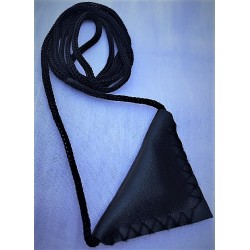
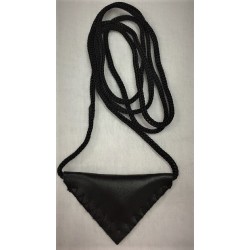
| Black Leather Taweez Pouch | Leather Pouch with Insert | Traditional, travel-ready pouch holding a printed or handwritten naqsh insert; robust and long-lasting. | Keep close to the heart in a pocket or inside clothing; ideal for travel and physical work. | Buy — Leather Pouch |
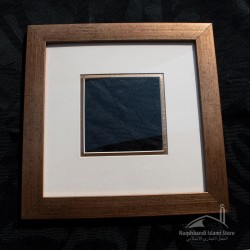
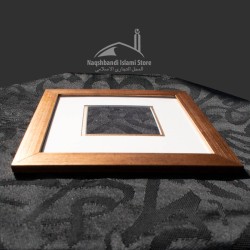
| Framed Wall Hanging Taweez (Cloth) | Cloth print, framed behind glass | Large-format naqsh for homes, zawiyas or prayer rooms; brings sakīnah (tranquility) into a space. | Hang on a clean, elevated wall in living room, prayer room or zawiya; avoid placing in bathrooms/dirty places. | Buy — Framed Wall Hanging |
| Brass Badge Taweez — Pin | Brass Pin / Badge | Small, durable badge suitable for uniformed professionals; contains a tiny naqsh motif or inscription. | Pin onto inner clothing or a lapel pouch; avoid exposure to moisture and chemicals; remove for bathing. | Buy — Brass Badge |
| Handwritten Naqsh Insert (Authorized) | Handwritten / Saffron Ink (Authorized) | Traditional handwritten naqsh (when available) written by authorized persons, often with saffron-diluted ink; regarded as spiritually significant. | Place inside a locket, leather pouch, or framed case; do not expose to moisture; handle with adab (respect). | Shop Authorized Inserts |
Note: Always purchase Taweez only from authorized sources. If you require a handwritten naqsh, contact the store to confirm availability and authorization. For medical, legal, or psychological issues rely primarily on qualified professionals and use spiritual means as complementary support.
Conclusion
The Naqshbandi Taweez stands in the sacred lineage of Prophetic relics, Qur’anic ruqyah, and Sufi spiritual heritage. It is not shirk, but a means of tawassul (seeking Allah’s help through His Words and blessings of awliya). By following proper etiquette, one may wear, keep, or preserve these Taweez as a source of barakah and protection.
Explore more and purchase authentic Taweez at: Naqshbandi Islami Store.