


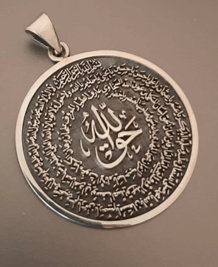











PREFACE — The Manifesto of Inner Peace, Purification and Human Unity
Every human being is born with a delicate, mysterious inner world made of thoughts, emotions, hopes, fears, and unseen forces that shape their destiny. In the modern world, noise has overtaken silence, confusion has overtaken clarity, and selfishness has overtaken compassion. People are troubled from inside and harmful on the outside — not because they are evil, but because their inner system is untrained, unpurified, and unguarded.
This blog is a spiritual, psychological and practical manifesto for every human being on earth — regardless of religion, nation or language. It explains how to unite the Body, Mind, Heart and Soul; how to remove the roots of negativity; how Satan whispers through thoughts; how fears and doubts become invisible chains; and how a person can rebuild inner strength and outer peace with wisdom from the Qur’an, Hadith, Sufi masters like Imam Ghazali, Ibn Arabi, and Shaykh Nazim al-Haqqani, and modern thinkers such as Stephen R. Covey.
This is not simply a “blog.” It is a self-manifesto — a journey of recognizing inner problems, confronting them, and dissolving them completely, so they never return again.
Uniting Mind, Heart, Body, and Soul for Inner Peace
Preface: This manifesto guides readers to purify thoughts, control the mind, heal the heart, and awaken the soul. It provides spiritual, psychological, and practical techniques to transform personal life and positively influence the world.
Sections Overview
- Introduction to Thoughts and Mind Control
- Purifying Thoughts for Positive Actions
- How Thoughts Create Reality and Destiny
- Psychology of Negative Whispering and Patterns
- Age-Based Inner Challenges (Childhood, Teen, Adult, Old Age)
- Separate Guidance for Men and Women
- Habits That Build a Strong Soul, Healthy Mind, and Pure Heart
- Personal Victory and Living in Peace with Others
- Complete Self-Diagnosis and Healing Framework
Advanced Spiritual Guidance and Sufi Techniques
B1. Introduction to Advanced Spiritual Healing
Part B provides detailed Sufi-inspired practices, daily habits, and meditation techniques to strengthen the soul, mind, and heart, leading to personal transformation and lasting inner peace.
B2. Techniques to Neutralize Negative Energies, Ego, and Internal Conflicts
- Recognize negative thought patterns
- Daily dhikr and recitation of Qur’anic verses for protection
- Guided muraqabah to purify energy and dissolve ego
- Journaling, reflection, and ethical self-correction
B3. Manifesting Higher Consciousness and Divine Awareness
- Understand higher consciousness and divine awareness
- Progress through spiritual stations (maqamat) like Tawba, Sabr, Mahabba
- Meditation and contemplation of divine light
- Integration of heart, mind, body, and soul
B4. Sustaining Spiritual States and Protecting the Inner Self
- Daily mindfulness, dhikr, and prayer
- Guarding against negative energies and toxic environments
- Maintaining emotional equilibrium and humility
- Strengthening the soul and resilience against life challenges
B5. Advanced Healing Techniques from Awliya and Sufi Masters
- Energy cleansing with divine names
- Heart purification rituals and guided muraqabah
- Overcoming fear, doubt, and ego
- Emotional and spiritual healing through service, charity, and reflection
B6. Manifesting Divine Qualities in Daily Life
- Love, compassion, patience, humility, gratitude, and wisdom
- Integrate virtues into relationships, work, and social life
- Radiate positive energy and inspire others through action
B7. Advanced Techniques to Maintain Long-Term Inner Peace and Spiritual Resilience
- Structured daily routines and reflection
- Meditation, muraqabah, and energy harmonization
- Protective spiritual practices and community engagement
- Lifelong commitment to self-improvement and resilience
B8. Integrating Sufi Healing, Daily Habits, and Life Purpose for Complete Transformation
- Daily integration of spiritual practices
- Harmonization of mind, heart, body, and soul
- Life purpose alignment and embodiment of divine qualities
- Long-term inner peace and positive societal impact
End of Manifesto. Readers are encouraged to practice, reflect, and share these teachings subtly, transforming personal life and uplifting the world.
SECTION 1 — Understanding Good Deeds and Bad Deeds
Human actions are not random. Every good or bad deed begins deep inside a person, long before it becomes visible. A smile, a prayer, a lie, an insult, charity, anger, forgiveness, jealousy — everything starts as a thought inside the mind and emotion inside the heart.
Good deeds bring purity, expansion, light and calmness. Bad deeds bring heaviness, contraction, darkness and restlessness. When multiplied across millions of people, these deeds become societies, cultures, nations and global conditions.
This is why understanding the roots of deeds is one of the most important responsibilities of a human being.
What Good Deeds Produce
- Inner peace
- Healthy relationships
- Divine blessings
- Self-respect
- Emotional strength
- A purified heart
- A bright destiny
What Bad Deeds Produce
- Confusion in thoughts
- Darkness in the heart
- Spiritual weakness
- Anxiety, depression, anger
- Broken trust and broken relationships
- Blockages in life
- A corrupted destiny
The Chain Reaction Inside Every Human
Every deed follows a simple chain:
- Thought → Feeling → Intention → Action → Habit → Character → Destiny
If the thought is pure, the chain produces light. If the thought is corrupted, the chain produces darkness.
Categories of Good Deeds
- Good Deeds for the Body (helping others, serving, protecting)
- Good Deeds for the Mind (knowledge, clarity, focus)
- Good Deeds for the Heart (forgiveness, compassion, gratitude)
- Good Deeds for the Soul (prayer, remembrance, sincerity)
Categories of Bad Deeds
- Harmful Actions (violence, cheating, injustice)
- Harmful Speech (lying, backbiting, insults)
- Harmful Feelings (envy, arrogance, hate)
- Harmful Thoughts (doubt, suspicion, unhealthy imagination)
The Inner Roots of Every Bad Deed
- A polluted mind
- An untrained heart
- A weakened soul
- A dominant ego (nafs)
- Whispering of Satan
- Uncontrolled emotions
- Repeated bad habits
The Inner Roots of Every Good Deed
- A clear mind
- A soft and humble heart
- A strong soul
- Awareness of God
- Gratitude and contentment
- Sincerity of intention
- Discipline in daily routine
Why the World is Suffering Today
Because millions of people act from a place of:
- Fear instead of confidence
- Doubt instead of trust
- Desire instead of discipline
- Anger instead of wisdom
- Jealousy instead of compassion
- Self-interest instead of humanity
When inner problems multiply, outer problems appear everywhere in society.
The Purpose of Section 1
This section sets the foundation. Before we fix thoughts, we must understand how thoughts create deeds. Before we purify the mind, we must recognize the difference between good and bad action. Before we rebuild the soul, we must identify what weakens it.
With this, the reader is prepared to enter Section 2, where we explore the deep architecture of the human being.
2. Why Good & Bad Deeds Matter in Our Life and Afterlife
Human life is a journey between two realities: the world we can see, and the world that begins after death. Every action we do becomes a seed. Good deeds become light, and bad deeds become burdens. This section explains why our actions carry long-lasting spiritual, psychological, and social effects.
2.1 The Spiritual Weight of Actions
In Islam, every deed—small or big—is recorded. A good deed brings divine mercy, peace of heart, and spiritual protection. A bad deed creates darkness inside a person, slowly affecting their behavior, thinking, and destiny. The Prophet Muhammad ﷺ said that a sin places a black dot on the heart. If the person repents, Allah cleans it; if not, the heart becomes covered in darkness.
2.2 The Psychological Effects of Good and Bad Deeds
Good deeds reduce anxiety, depression, guilt, and restlessness. People who help others, pray, forgive, and stay honest develop emotional stability and strong self-control. Bad deeds work the opposite way: lying, stealing, harming others, addictions, and arrogance create inner discomfort, weakness, and constant fear.
2.3 Social Impact: How Deeds Build Communities
A society with kindness, justice, honesty, and respect becomes strong. Families stay united, businesses trust each other, and people live without fear. However, when sins spread—especially lying, betrayal, immorality, cheating, and arrogance— societies collapse. Crime increases, trust breaks, and people stop caring about each other.
2.4 The Afterlife Impact: The Real Result
The Day of Judgment will reveal every hidden action. A person will be raised according to their deeds. Some will find mountains of good deeds waiting for them, even deeds they forgot. Others will see sins that seemed small but were spiritually dangerous.
Every prayer you offer, every truth you speak, every kindness you show, every temptation you resist, and every sin you avoid becomes a shield for your soul in the hereafter.
2.5 Example: A Simple Deed with a Big Reward
The Prophet ﷺ said: “A word of kindness is charity.” Even smiling, moving a harmful object from the road, or giving a glass of water could become the reason Allah blesses a person with Paradise.
2.6 Example: A Simple Sin with a Heavy Consequence
A single lie can ruin trust. A single arrogant act can close the door of blessings. A single insult can break a heart, and breaking a heart is one of the most dangerous sins because Allah listens to the prayer of the oppressed.
2.7 Why This Blog Matters for Every Age, Every Nation
Today’s world is drowning in distractions—social media, fake fame, greed, comparison, depression, and shortcuts to success. People are confused about what truly matters. This blog helps people return to clarity: actions shape destiny.
2.8 Preparing the Heart for the Next Sections
The upcoming sections will explore:
- Complete table of good and bad deeds
- Spiritual severity level of each action
- Psychological effects on different age groups
- How to protect yourself from major sins
- Good deeds that guarantee Allah’s mercy
- Bad deeds that guarantee destruction if not repented
Each section will be written in simple but deeply impactful language, guiding every reader regardless of religion, age, or background.
3. How Thoughts Create Reality and Destiny
Every action begins as a thought. Before a person speaks, moves, sins, or performs a good deed, it first appears inside the mind. This is why Islam places great importance on intentions, inner thinking, and the state of the heart. Your thoughts are the seeds of your destiny.
3.1 The Power of Intention (Niyyah)
The Prophet Muhammad ﷺ said: “Actions are judged by intentions.” This means the quality of your inner thinking can turn a simple act into worship and a big deed into nothing.
If a person donates money to show off, it becomes a sin. If a person smiles sincerely to comfort someone, it becomes worship. Everything depends on what you think before you act.
3.2 Thoughts Shape Behavior
Repeated thoughts become habits. Habits become character. Character becomes destiny. If someone constantly thinks negatively—anger, jealousy, competition, greed—those thoughts start guiding their actions.
On the other hand, a person who trains their mind toward patience, gratitude, honesty, and humility slowly transforms their life. Even their body language, voice tone, and lifestyle begin to reflect peaceful thinking.
3.3 The Heart–Mind Connection in Islam
Islam teaches that the heart and the mind are spiritually connected. A clean heart produces clean thoughts. A darkened heart produces destructive ideas. When a person sins repeatedly, their thinking becomes confused. When a person does good deeds consistently, their thinking becomes sharp, clear, and wise.
Allah says in the Quran that only “a sound heart” will benefit a person on the Day of Judgment. A sound heart creates sound thinking, leading to a sound destiny.
3.4 Negative Thinking: The Silent Enemy
Many sins begin with mental whispers:
- “No one will know.”
- “Just once, it won’t matter.”
- “I deserve more than others.”
- “Everyone else is doing it.”
These thoughts slowly turn into harmful actions—lying, cheating, jealousy, arrogance, and addiction.
Negative thoughts weaken confidence, break focus, destroy goals, and lead to emotional pain.
3.5 Positive Thinking: A Spiritual Tool
Islamic positivity is not fake motivation. It is deep inner strength rooted in trust in Allah. When a person believes:
- “Allah will take care of me.”
- “There is wisdom in this test.”
- “Good will return to me.”
- “There is always a better path.”
Their life becomes calmer, more stable, and more meaningful.
True Islamic positivity creates:
- Resilience during hardship
- Patience during loss
- Optimism during struggle
- Clarity during confusion
3.6 How Thoughts Create Your Reality
Your thinking decides:
- Which opportunities you see
- Which temptations you avoid
- Which people you attract
- Which mistakes you repeat
- Which goals you achieve
A person with strong, disciplined thinking creates a strong life. A person whose mind is scattered and influenced by negativity keeps falling into the same cycles.
3.7 The Cycle of Thought → Emotion → Action
Islamic scholars explain that:
Thoughts create emotions.
Emotions create actions.
Actions create habits.
Habits create destiny.
If we repair our thoughts, we repair everything that follows.
3.8 Protecting Your Thoughts
Guarding the mind is a daily discipline:
- Avoiding harmful content
- Limiting social media overuse
- Avoiding comparing yourself with others
- Staying away from negative friends
- Reciting morning and evening supplications
The mind is a garden. Whatever you plant grows. If you plant jealousy, fear, and greed, you will harvest misery. If you plant gratitude, humility, and trust in Allah, you will harvest peace.
3.9 The Role of Dua (Supplication)
Dua can change destiny. A person may be destined for difficulty, but a sincere prayer can transform the path. This shows that your thinking and your connection with Allah rewrite your future every day.
3.10 Preparing for Section 4
Now that we understand how thoughts create our destiny, the next section will show how to protect the mind from negative patterns, bad company, and spiritual dangers.
Section 4 will explain how to build mental purity and emotional strength, especially in a world full of distractions, temptations, and modern pressures.
4. Psychology of Satanic Whispering and Negative Patterns
Satan does not appear as fire or a monster. His power is subtle: he whispers into the human mind. These whispers are called Waswas in Islamic teachings. They appear as thoughts, doubts, fears, desires, and suggestions that tempt a person toward sin or distract from goodness.
4.1 What is Waswas?
Waswas are subtle, repetitive thoughts that disturb the mind. They can take many forms:
- “No one will know if you lie.”
- “This small sin won’t matter.”
- “You deserve more than others.”
- “They are against you, you must revenge.”
If unchecked, these thoughts become habits, habits become character, and character shapes destiny.
4.2 How Negative Patterns Develop
Repeated exposure to harmful thoughts leads to permanent neural and spiritual patterns:
- Jealousy → Envy → Spite → Harmful Actions
- Fear → Doubt → Hesitation → Missed Opportunities
- Anger → Resentment → Violence → Broken Relationships
- Laziness → Procrastination → Lost Potential → Regret
Modern psychology calls these cognitive distortions, but Islam warns that the soul becomes chained by these patterns.
4.3 The Mechanism of Whispering
Satan uses three entry points to influence humans:
- Imagination: He paints scenarios of desire or harm in the mind.
- Emotions: He amplifies anger, jealousy, fear, and lust.
- Reason: He confuses judgment and encourages shortcuts and selfish thinking.
When a person does not guard their mind with dhikr (remembrance of Allah), prayer, and knowledge, Satan can create a mental paradigm of self-destruction.
4.4 Common Negative Patterns
Some examples of negative patterns include:
- Procrastination and avoidance
- Self-doubt and low confidence
- Blaming others for personal failures
- Overindulgence in social media or entertainment
- Obsession with wealth and status
- Secret arrogance masked by politeness
4.5 How These Patterns Affect Daily Life
Negative thoughts affect everything:
- Decision-making becomes flawed
- Relationships weaken
- Productivity declines
- Health and energy decrease
- Spiritual awareness fades
Left unchecked, the mind becomes the battlefield where Satan wins small victories every day.
4.6 Sufi Perspective on Guarding the Mind
Sufi masters explain that every negative whisper is an opportunity to strengthen the soul. Ibn Arabi and Shaykh Nazim al-Haqqani describe a disciplined practice:
- Notice the thought without reacting
- Replace it immediately with a positive or divine remembrance
- Reflect on the impermanence of worldly desires
- Practice gratitude for what you already have
This transforms the mind from a playground of whispers into a sanctuary of clarity.
4.7 Modern Relevance
In today’s world, social media, peer pressure, instant gratification, and material obsession amplify these whispers. Young people are exposed to countless temptations every day. The mind becomes overloaded with desires, comparisons, and distractions, making them highly susceptible to negative patterns.
4.8 Tools to Break Negative Patterns
Practical methods include:
- Daily morning and evening dhikr
- Short meditation or muraqabah (self-reflection)
- Limiting exposure to harmful content
- Journaling thoughts and tracking negative patterns
- Seeking guidance from righteous teachers or elders
4.9 Summary — Mind as a Battlefield
The human mind is the first battlefield. Satan cannot touch the soul directly, but he can influence through thoughts. Recognizing whispers, understanding their psychology, and taking disciplined action transforms the mind. A disciplined mind leads to a disciplined heart, a strong soul, good actions, and a peaceful life.
4.10 Preparing for Section 5
After understanding how whispers and negative patterns influence life, the next section will focus on the two most dangerous inner enemies: Fear and Doubt. We will explore how they appear, how they control human life, and how to overcome them with spiritual and practical guidance.
5. Fear and Doubt: The Hidden Destroyers of Human Potential
Fear and doubt are silent enemies. They appear in the mind as tiny seeds but can grow into towering barriers that limit human growth, destroy confidence, and block spiritual, emotional, and intellectual progress. They take a person away from reality and from trust in the Lord, creating paralysis in action and uncertainty in life.
5.1 Understanding Fear
Fear is a natural mechanism for survival, but excessive or misdirected fear becomes destructive. Common fears include:
- Fear of failure
- Fear of judgment by others
- Fear of poverty or insecurity
- Fear of illness or death
- Fear of rejection or isolation
When fear dominates, a person hesitates, avoids opportunities, and becomes trapped in comfort zones. Spiritually, fear can distance a person from Allah, as they trust in worldly security more than divine protection.
5.2 Understanding Doubt (Shakk)
Doubt is the seed of indecision. It arises when the mind questions truth, justice, guidance, or one’s own abilities. Repeated doubt leads to:
- Confusion in decision-making
- Inability to act
- Spiritual stagnation
- Self-blame and regret
- Loss of trust in people and in God
Shaykh Nazim al-Haqqani explains that doubt attacks the soul quietly, making people afraid of taking action for fear of mistakes or failure. It multiplies the influence of negative thoughts and whispers.
5.3 Fear and Doubt Across Ages
Childhood
- Fear of punishment or disapproval
- Doubt about abilities in studies or social interaction
- Over-dependence on parents or elders
Teenage / Gen Z
- Fear of missing out (FOMO) and social pressure
- Doubt in personal identity and self-worth
- Obsession with wealth, appearance, and online status
- Distraction from education and spiritual growth
- Influence by social media, fake success stories, and influencers
Young Adults
- Fear of failure in career and relationships
- Doubt in decision-making and purpose
- Stress from financial, social, and family expectations
Adulthood / Middle Age
- Fear of aging, illness, and responsibility
- Doubt in long-term decisions
- Regret from past mistakes affecting present actions
Old Age
- Fear of death, loneliness, and loss of dignity
- Doubt in spiritual preparedness for the afterlife
- Reflection on life decisions can either motivate repentance or deepen regret
5.4 How Fear and Doubt Affect the Soul
- Weakens willpower and courage
- Creates anxiety, insomnia, and stress
- Blocks learning and personal development
- Limits spiritual connection and trust in God
- Promotes negative patterns, addictions, and procrastination
5.5 Spiritual Methods to Overcome Fear and Doubt
Islam provides both practical and spiritual remedies:
- Regular dhikr (remembrance of Allah) to calm the heart
- Prayers for courage and guidance, including Salat al-Hajah and morning/evening supplications
- Reading Qur’an with reflection to strengthen faith
- Seeking advice from righteous elders and Sufi masters
- Focusing on gratitude for blessings rather than loss or fear
- Self-reflection (muraqabah) to recognize and confront inner doubts
5.6 Practical Methods to Overcome Fear and Doubt
- Breaking big tasks into small, manageable steps
- Maintaining daily routines for discipline and confidence
- Avoiding overconsumption of social media or negative news
- Journaling fears and doubts to externalize them
- Positive affirmation of capabilities and spiritual trust
5.7 The Role of Courage in Human Life
Courage is not the absence of fear; it is acting despite fear. Every spiritual, emotional, or practical achievement begins when fear is confronted, not avoided.
5.8 Preparing for Section 6
After understanding fear and doubt, Section 6 will focus on **practical purification techniques for thoughts and emotions**, showing step-by-step ways to cleanse the mind, stabilize the heart, and strengthen the soul for inner and outer peace.
6. Practical Purification Techniques for Thoughts and Emotions
Purifying the mind and emotions is essential for inner peace, clarity, and a spiritually strong life. When thoughts are pure and emotions balanced, deeds become good, relationships flourish, and the soul grows closer to Allah.
6.1 Step 1: Awareness of Thoughts (Self-Observation)
Before you can cleanse your mind, you must observe it. Ask yourself daily:
- What thoughts occupy my mind most of the day?
- Which thoughts disturb me or make me angry, jealous, or fearful?
- Which thoughts bring peace, gratitude, and joy?
Keeping a thought journal helps track patterns and recognize recurring negative or harmful thoughts.
6.2 Step 2: Dhikr (Remembrance of Allah)
Sufi masters and scholars emphasize that repeating divine names and phrases purifies the heart and mind. Examples include:
- SubhanAllah (Glory be to Allah)
- Alhamdulillah (All praise is due to Allah)
- Allahu Akbar (Allah is the Greatest)
- La ilaha illallah (There is no god but Allah)
Even a few minutes of focused dhikr daily reduces mental clutter, calms the heart, and strengthens spiritual resilience.
6.3 Step 3: Controlled Breathing and Meditation
Simple breathing exercises and meditation (muraqabah) help stabilize emotions. - Inhale slowly while focusing on gratitude. - Exhale while releasing tension, fear, or anger. - Reflect for a few minutes on the impermanence of worldly desires.
6.4 Step 4: Replacing Negative Thoughts
Every negative thought should be consciously replaced with a positive, constructive, or spiritual thought. Examples:
- Jealousy → “I am grateful for what I have and happy for others.”
- Anger → “I will respond with patience and wisdom.”
- Doubt → “I trust Allah and follow the right path.”
- Fear → “I will take action with courage and reliance on God.”
6.5 Step 5: Avoiding Harmful Inputs
The mind is influenced by external stimuli. Protect your thoughts by limiting:
- Negative social media, news, and gossip
- Harmful movies, videos, and conversations
- Peer pressure and toxic relationships
6.6 Step 6: Daily Reflection and Journaling
At the end of each day, reflect:
- Which actions and thoughts brought peace today?
- Which actions caused disturbance or regret?
- How can I improve tomorrow?
Writing these reflections externalizes thoughts, reduces anxiety, and builds self-awareness.
6.7 Step 7: Gratitude and Appreciation
Focusing on gratitude transforms thoughts. Make it a habit to list:
- Three blessings you are thankful for every morning
- Three positive experiences of the day every evening
Gratitude cleanses the mind from jealousy, comparison, and negative thinking.
6.8 Step 8: Physical Activity and Health
The body supports the mind and soul. Regular exercise:
- Reduces stress and anxiety
- Improves focus and mental clarity
- Boosts confidence and resilience
- Supports spiritual energy
6.9 Step 9: Social Detox
Spend time with positive, supportive people. Limit interactions with:
- Negative, envious, or manipulative individuals
- People who encourage unhealthy habits or addictions
Positive companionship strengthens resolve, promotes optimism, and maintains inner balance.
6.10 Step 10: Seeking Spiritual Guidance
Learn from:
- Qur’an and Hadith
- Sufi masters and Awliya Allah
- Righteous elders or teachers
Spiritual guidance helps interpret personal challenges, provides tested methods for purification, and protects the soul from negative patterns.
6.11 Summary — The Path of Purification
Purifying thoughts and emotions is a daily practice. - Awareness - Dhikr - Meditation - Thought replacement - Limiting harmful input - Journaling - Gratitude - Physical health - Positive social influence - Spiritual guidance
Following these steps builds clarity, resilience, good habits, and peace — laying the foundation for stronger deeds, a purer heart, and a fulfilled soul.
6.12 Preparing for Section 7
After learning practical purification techniques, Section 7 will explore **Sufi teachings on spiritual strength and inner awakening**, digging into classical wisdom that has guided seekers for centuries.
7. Sufi Teachings on Spiritual Strength and Inner Awakening
Sufism is the path of the heart, the journey inward to discover the soul’s true potential. Sufi masters emphasize that inner purification, discipline, and awareness of Allah lead to spiritual strength, clarity of thought, and a calm heart that can face life’s challenges without fear or doubt.
7.1 Ibn Arabi: The Unity of Being and Awareness of Self
Ibn Arabi teaches that every soul is a reflection of divine attributes. Awakening comes when a person recognizes:
- Every thought and emotion has a divine purpose
- Inner struggles are signs for growth
- Discipline and remembrance connect the self to the Creator
By understanding this unity, the seeker learns to guard their mind against whispers, purify intentions, and develop patience.
7.2 Imam Ghazali: The Heart as the Seat of Knowledge
Imam Ghazali emphasizes that true knowledge is not just intellectual; it is the purification of the heart. He identifies the following steps:
- Self-examination to recognize flaws and negative tendencies
- Controlling anger, jealousy, and arrogance
- Practicing gratitude and generosity
- Using intellect to support spiritual growth, not worldly desires
A clean heart leads to clear thoughts, which guide pure deeds, building a resilient soul.
7.3 Shaykh Nazim al-Haqqani: Practical Spiritual Guidance
Shaykh Nazim highlights that spiritual strength is gained through:
- Regular dhikr and morning/evening supplications
- Following a spiritual guide for accountability
- Contemplation and muraqabah (self-reflection)
- Living simply, avoiding unnecessary material attachment
He teaches that spiritual awakening is not sudden; it is the accumulation of small, disciplined steps that purify the soul and align the mind with divine guidance.
7.4 Habits of Awliya Allah (Friends of Allah)
From the lives of Awliya Allah, we learn:
- Patience during hardship and trials
- Forgiveness and compassion toward all beings
- Consistency in worship and remembrance
- Humility and avoidance of arrogance
- Generosity and helping others without expectation
These practices develop inner strength, making the heart firm, the mind calm, and the soul resilient.
7.5 Awakening the Inner Heart
Sufism teaches that the heart must awaken to recognize divine reality. Techniques include:
- Silent meditation (muraqabah)
- Chanting divine names (dhikr)
- Reflecting on the Qur’an and Hadith
- Performing good deeds sincerely
An awakened heart sees beyond material illusions, recognizes the truth in every situation, and maintains balance in thoughts, emotions, and actions.
7.6 Integrating Spiritual Strength with Daily Life
Spiritual awakening is not just a private experience; it transforms daily life:
- Patience replaces impulsive anger
- Compassion replaces selfishness
- Clarity replaces confusion
- Trust replaces doubt and fear
A spiritually strong person influences others positively, creating peaceful environments in families, communities, and workplaces.
7.7 Preparing for Section 8
After understanding Sufi teachings on spiritual strength, the next section will explore **Age-Based Inner Challenges**, with a detailed focus on **teenage and young Gen Z problems**, their psychological, social, and spiritual traps, and how these can be corrected through the techniques discussed.
8. Age-Based Inner Challenges (Childhood, Teenage, Young Adult, Old Age)
Human life has different stages, each with unique psychological, spiritual, and emotional challenges. Recognizing these challenges helps in personal growth, spiritual discipline, and preventing the negative patterns that destroy inner peace.
8.1 Childhood Challenges
Children are naturally curious but also vulnerable. Early challenges include:
- Fear of punishment or rejection
- Lack of emotional control (anger, jealousy, tantrums)
- Dependence on parents or guardians
- Exposure to harmful content or peers
- Developing habits that can continue into adulthood
Solutions include positive reinforcement, clear guidance, balanced discipline, and early spiritual awareness, such as short prayers, simple dhikr, and teaching gratitude.
8.2 Teenage Challenges (Special Focus on Gen Z)
Teenagers today face unprecedented challenges due to technology, social media, and cultural shifts. Key problems include:
- Obsession with social media: constant comparison, fear of missing out (FOMO)
- Desire for materialism: latest gadgets, expensive lifestyle, brand obsession
- Distraction from studies, especially mathematics and critical thinking
- Online gaming for day and night, affecting health and focus
- Arrogance and imitation of social influencers promoting greed or shortcuts
- Weak spiritual awareness; low interest in religion or moral values
- Peer pressure leading to risky or shallow behavior
Practical guidance includes:
- Limit social media and gaming; schedule productive time
- Encourage personal hobbies, reading, and skill development
- Teach financial literacy and ethical earning from early age
- Introduce spiritual practices: daily prayers, gratitude, dhikr, and reflection
- Promote mentorship from positive role models, including parents, teachers, and community leaders
Spiritual guidance should focus on showing them the bigger picture: real happiness comes from inner growth, not external validation.
8.3 Young Adult Challenges
Young adults face social, educational, and career pressures:
- Fear of failure in career or relationships
- Doubt about personal identity and life direction
- Peer pressure to follow materialistic lifestyles
- Balancing personal ambition with ethical and spiritual values
- Stress from financial independence, marriage, and societal expectations
Solutions include:
- Structured daily routines and goal setting
- Regular self-reflection and journaling
- Spiritual practices for stress reduction and guidance
- Positive social circles and mentorship
- Balanced pursuit of worldly and spiritual goals
8.4 Adulthood / Middle Age Challenges
Adults face responsibilities in career, family, and social life. Inner challenges include:
- Fear of aging, illness, and loss of control
- Doubt in decisions related to family, investments, or personal growth
- Regret over past choices
- Temptations leading to moral or ethical compromise
Solutions:
- Daily spiritual discipline and reflection
- Healthy lifestyle and stress management
- Teaching children ethical and spiritual values
- Contributing positively to community and society
- Acceptance of life’s impermanence and reliance on Allah
8.5 Old Age Challenges
Old age brings reflection, vulnerability, and preparation for the hereafter:
- Fear of death, illness, and loneliness
- Doubt in spiritual preparedness and life choices
- Loss of social influence and independence
- Need for meaningful contributions before the end
Solutions:
- Strengthen spiritual connection through consistent worship and dhikr
- Engage in mentoring and guidance for younger generations
- Practice gratitude and reflection on life lessons
- Maintain physical health to the extent possible
- Prepare the soul for the hereafter with repentance, forgiveness, and sincere good deeds
8.6 Summary — Age-Based Spiritual and Psychological Care
Every stage of life has unique challenges. By understanding these challenges and applying spiritual, emotional, and practical solutions:
- Children develop strong foundations
- Teenagers (especially Gen Z) overcome distraction and social pressures
- Young adults achieve balance and clarity
- Adults maintain resilience and purpose
- Older adults prepare for the afterlife with peace
Recognizing these age-based inner challenges ensures that the soul remains strong, the heart calm, and the mind disciplined throughout life.
8.7 Preparing for Section 9
After identifying age-based challenges, Section 9 will present **Detailed Habits and Daily Practices** to reinforce inner peace, mental clarity, spiritual strength, and emotional resilience for all age groups.
9. Daily Habits and Practices for Inner Peace and Spiritual Strength
Inner peace, clarity of thought, and spiritual strength are not accidental. They are cultivated through consistent daily habits that purify the mind, balance emotions, and strengthen the soul. These habits are suitable for all age groups and can be adapted to personal circumstances.
9.1 Morning Routine (Fajr and Early Hours)
The early morning is spiritually powerful. Recommended practices include:
- Perform Fajr prayer on time with full concentration
- Recite morning dhikr and short supplications (duas)
- Reflect on gratitude: list three blessings to start the day
- Plan the day: prioritize spiritual, intellectual, and practical tasks
9.2 Mindful Meals and Nutrition
Food affects both body and mind. Practices include:
- Eat in moderation; avoid overindulgence
- Choose nutritious foods that support mental clarity
- Practice gratitude before eating
- Avoid emotional eating triggered by stress or boredom
9.3 Physical Movement and Exercise
The body supports the mind and soul. Daily movement improves energy, reduces stress, and increases focus:
- Light stretching or yoga in the morning
- Walking, jogging, or outdoor activity
- Short exercise breaks during work or study hours
9.4 Dhikr and Reflection During the Day
Regular remembrance of Allah purifies the heart and controls thoughts:
- Pause for short dhikr breaks, especially before stressful tasks
- Reflect on intentions and correct any negative thoughts
- Keep a small notebook to jot down positive reflections
9.5 Social Interaction and Positive Companions
The people around you shape your mind and heart:
- Spend time with supportive and spiritually aware friends
- Limit time with negative, critical, or envious individuals
- Engage in acts of kindness daily
- Communicate with family and community members regularly
9.6 Learning and Intellectual Growth
A disciplined mind requires continuous learning:
- Read Qur’an, Hadith, and spiritual literature daily
- Study useful worldly knowledge: science, arts, skills
- Practice reflection: apply knowledge in real-life situations
9.7 Evening Routine (Maghrib and Isha)
The evening is for reflection and spiritual alignment:
- Perform Maghrib and Isha prayers on time with focus
- Recite evening dhikr and supplications
- Reflect on the day: what went well, what can be improved
- Forgive and let go of grievances from the day
9.8 Sleep and Rest
A healthy sleep routine supports mental and spiritual health:
- Sleep early and wake early, aligned with natural circadian rhythms
- Recite protective dhikr before sleeping
- Avoid excessive screen time before bed
- Reflect quietly on gratitude and forgiveness
9.9 Weekly and Monthly Practices
Beyond daily routines, weekly and monthly habits strengthen spiritual discipline:
- Attend community or spiritual gatherings
- Charity and volunteering: help the needy regularly
- Review goals and spiritual progress
- Perform deep reflection on challenges and solutions
9.10 Integrating Habits into Life
Consistency is key. Small daily practices accumulate into lasting transformation. By following these routines, one develops:
- Clear thinking and mental resilience
- Balanced emotions and reduced stress
- Strong spiritual connection and faith
- Positive influence on family, community, and society
- Peace, calmness, and purposeful living
9.11 Preparing for Section 10
After mastering daily habits, Section 10 will explore **The Science of Good and Evil Actions**, showing how purified thoughts and a strong soul transform behavior into righteous deeds, benefiting self and others, and protecting against destructive influences in personal and social life.
10. The Science of Good and Evil Actions: Transforming Thoughts into Deeds
Human actions are the outward reflection of inward thoughts, emotions, and intentions. A purified mind and heart lead to good deeds, while negative thoughts and unchecked emotions result in harmful actions.
10.1 The Thought-Deed Connection
Every action begins as a thought. Islamic and Sufi teachings emphasize that the quality of thought determines the quality of action:
- Positive thought → constructive plan → good action → blessing
- Negative thought → harmful plan → destructive action → regret and spiritual loss
Ibn Arabi explains that thoughts are like seeds; the environment of the heart determines what grows. Dhikr, reflection, and ethical awareness cultivate beneficial thoughts, while negligence allows negative patterns to flourish.
10.2 The Role of Intentions (Niyyah)
The Prophet Muhammad (peace be upon him) said: "Actions are judged by intentions." Even good deeds can be tainted by selfish motives. Purifying intentions ensures that actions benefit self, society, and the soul.
- Check your intentions before acting: are they for Allah, for self-benefit, or for recognition?
- Correct selfish or impulsive intentions to align with higher values
- Practice daily mindfulness: pause and reflect before responding
10.3 Good Actions: How They Emerge
Good deeds flow naturally from a disciplined mind and heart:
- Compassionate acts: helping family, neighbors, and community
- Truthful communication: honesty in speech and writing
- Ethical financial actions: fair earning, avoiding deceit or shortcuts
- Spiritual practice: prayer, dhikr, reading Qur’an, and sincere repentance
- Positive social influence: teaching, guiding, and mentoring others
10.4 Evil Actions: How They Arise
Negative actions are the outward manifestation of unchecked thoughts and emotions:
- Hatred, envy, or resentment → gossip, backbiting, manipulation
- Laziness and procrastination → wasted potential and missed opportunities
- Greed and selfishness → exploitation, dishonesty, and oppression
- Fear and doubt → avoidance of responsibility, indecision, and harm to self or others
These actions create personal, social, and spiritual disturbance, spreading negativity in every circle of influence.
10.5 Breaking the Cycle of Evil
To stop destructive actions, address the root: the mind and heart. Steps include:
- Recognize harmful thoughts immediately
- Replace them with ethical, spiritual, or constructive thoughts
- Pause before acting: reflect on consequences for self and others
- Seek forgiveness and correct mistakes promptly
- Practice dhikr, meditation, and reflection to strengthen the heart
10.6 Strengthening the Cycle of Good
Positive actions reinforce good thoughts and spiritual strength:
- Consistently perform small acts of kindness and honesty
- Engage in voluntary service and charitable deeds
- Maintain gratitude and humility
- Teach or guide others positively, creating a ripple effect
- Reflect daily: notice improvements and refine actions
10.7 The Ripple Effect on Society
When individuals purify thoughts and act righteously:
- Families become peaceful, loving, and ethical
- Communities develop trust, cooperation, and harmony
- Society shifts from selfishness and negativity toward justice, compassion, and productivity
Conversely, unaddressed negative thoughts propagate hatred, injustice, and widespread disruption.
10.8 Practical Recommendations
To consistently transform thoughts into good actions:
- Begin each day with clear intentions for spiritual and ethical conduct
- Monitor your thoughts and emotions throughout the day
- Pause before responding to triggers, and choose constructive actions
- End the day with reflection, repentance, and gratitude
- Integrate dhikr, meditation, journaling, and mentoring into daily life
10.9 Preparing for Section 11
After understanding the science of actions, Section 11 will explore **Building a Peaceful World from Individual Transformation**, demonstrating how personal inner purification leads to societal harmony, protection from chaos, and a safe environment for everyone.
11. Building a Peaceful World from Individual Transformation
Every major change in society begins with the individual. A person who purifies their thoughts, strengthens their heart, and aligns actions with ethical and spiritual values creates a ripple effect that benefits family, community, and eventually the world.
11.1 The Principle of Inner to Outer Transformation
Sufi masters teach that society reflects the state of individual souls. When the majority of people cultivate peace internally:
- Conflicts reduce naturally
- Trust and cooperation increase
- Compassion and justice become common values
Conversely, when hearts are polluted with fear, doubt, hatred, or selfishness, chaos spreads.
11.2 The Family as the First Circle
The family is the first microcosm of society. Personal transformation strengthens the family:
- Parents demonstrate patience, love, and ethical behavior
- Children learn by example, creating a foundation for future generations
- Conflict resolution becomes compassionate and rational
- Spiritual practices unite family members in mutual understanding
11.3 The Community Circle
Once personal and family transformation occurs, positive influence spreads to neighbors, friends, and colleagues:
- Acts of charity, mentoring, and guidance uplift others
- Conflict mediation and forgiveness reduce societal tension
- Positive communication and teamwork strengthen community trust
11.4 Workplace and Professional Influence
Ethical and spiritually balanced individuals create peaceful work environments:
- Fairness and honesty in professional dealings
- Respect and empathy for colleagues
- Leadership based on integrity and ethical decision-making
11.5 Societal Impact and Collective Peace
When a significant number of individuals adopt personal transformation:
- Societies become less selfish, less competitive in harmful ways
- Justice, compassion, and fairness become social norms
- Crime, corruption, and conflict decrease naturally
- Collective resilience and spiritual awareness protect against external disturbances
11.6 Preventing Destruction from Negative Patterns
Unchecked selfishness, greed, envy, and hatred destroy families, communities, and nations. By transforming the self:
- Individuals resist destructive influences and manipulative forces
- Negative cycles of revenge, gossip, and competition are broken
- Peaceful problem-solving replaces conflict-driven behavior
11.7 Practical Steps for Building a Peaceful World
- Start with self-discipline and inner purification
- Apply ethical behavior consistently in all relationships
- Teach and mentor younger generations to develop moral and spiritual strength
- Engage in community service and social welfare initiatives
- Promote forgiveness, empathy, and constructive communication
11.8 The Spiritual Perspective
The Qur’an and Sufi teachings emphasize that inner purity and good deeds protect the world from chaos: "Indeed, Allah does not change the condition of a people until they change what is within themselves." (Qur’an 13:11) Personal transformation is therefore both a spiritual duty and a social responsibility.
11.9 Preparing for Section 12
After understanding how individual transformation impacts the world, Section 12 will explore **Complete Daily and Life Strategies** to integrate all the lessons from this manifesto, creating a permanent, calm, and productive lifestyle for the mind, heart, body, and soul.
13. Separate Guidance for Men and Women
Men and women face distinct challenges in life due to biological, psychological, and societal differences. While the principles of spiritual and mental purification are universal, certain guidance must be customized to optimize growth, resilience, and inner peace for each gender.
13.1 Guidance for Men
Men often face pressures related to responsibility, social expectations, career, and family leadership. Challenges include: stress, pride, impulsive behavior, desire for status or power, and neglecting spiritual practice.
Practical Guidance for Men:
- Daily Spiritual Practice: Prioritize prayers, dhikr, and Qur’an reflection to maintain inner balance
- Emotional Awareness: Recognize anger, frustration, and envy; replace them with patience, empathy, and gratitude
- Healthy Lifestyle: Physical activity, proper nutrition, and sufficient rest to support mental and spiritual clarity
- Responsible Leadership: Lead family and work with fairness, ethics, and humility
- Time Management: Balance work, spiritual practice, family, and personal development to prevent burnout and selfishness
- Mentorship and Guidance: Seek advice from wise elders and spiritual guides
- Social Conduct: Avoid toxic masculinity, unnecessary aggression, and harmful competitiveness
13.2 Guidance for Women
Women often face challenges balancing family, career, societal expectations, and personal spiritual growth. They may experience stress, self-doubt, guilt, or societal pressure to conform.
Practical Guidance for Women:
- Daily Spiritual Practice: Consistent prayers, dhikr, Qur’an study, and meditation to strengthen the soul
- Emotional Intelligence: Observe emotions, manage stress, and nurture empathy
- Self-Care and Health: Prioritize nutrition, exercise, and rest to maintain balance and energy
- Personal Development: Engage in knowledge, skills, and hobbies beyond household responsibilities
- Family and Community Leadership: Guide children and family with compassion, wisdom, and ethics
- Boundary Setting: Protect mental and emotional health by managing social pressures and toxic interactions
- Mentorship and Networking: Connect with supportive spiritual and professional mentors
13.3 Universal Principles for Both Genders
While certain guidance differs, men and women share universal principles for personal transformation:
- Purify thoughts and intentions daily
- Perform regular spiritual practices and dhikr
- Practice gratitude, patience, and forgiveness
- Engage in ethical and constructive actions
- Maintain healthy habits: body, mind, and soul
- Reflect and journal to track growth and self-awareness
- Mentor, guide, and support others in a positive, non-harmful way
13.4 Summary — Gender-Based Guidance
By understanding the unique challenges and strengths of men and women, each individual can tailor their spiritual, emotional, and practical practices. This ensures personal growth, reduces conflicts, enhances resilience, and contributes positively to family, community, and society.
13.5 Preparing for Section 14
After exploring gender-specific guidance, Section 14 will focus on **Overcoming Fear, Doubt, and Internal Barriers**, providing solutions drawn from Qur’an, Hadith, and Sufi teachings to achieve unshakable inner calm and spiritual clarity.
15. Habits That Build a Strong Soul, Healthy Mind, and Pure Heart
A disciplined lifestyle and consistent habits form the foundation for a resilient soul, a sharp mind, and a pure heart. These habits, when practiced daily, protect against negative thoughts, emotional turmoil, and spiritual weakness.
15.1 Morning Habits for Energy and Clarity
- Wake early for Fajr and morning dhikr
- Reflect on gratitude: list 3–5 blessings each morning
- Set clear intentions for spiritual, mental, and physical activities
- Engage in light exercise or stretching to energize the body
- Read a few verses of the Qur’an or spiritual text for reflection
15.2 Mental Habits for a Healthy Mind
- Practice focused meditation or muraqabah for 10–15 minutes daily
- Journal thoughts and emotions to release mental clutter
- Read, learn, and engage with intellectually stimulating content
- Limit distractions: social media, negative news, and toxic interactions
- Practice critical thinking before making decisions
15.3 Emotional Habits for a Calm Heart
- Observe and acknowledge emotions without judgment
- Replace anger, jealousy, and resentment with forgiveness and empathy
- Practice deep breathing and reflection during stressful situations
- Express feelings through writing, prayer, or constructive conversation
- Maintain supportive relationships and avoid toxic people
15.4 Spiritual Habits for a Strong Soul
- Regular prayers (Fard and Sunnah) with focus and sincerity
- Daily dhikr and recitation of divine names
- Reflect on life’s purpose and accountability to Allah
- Perform good deeds consistently, even small acts
- Engage in charity and voluntary service for selflessness
15.5 Weekly and Monthly Reinforcement
- Attend spiritual gatherings or study circles
- Review personal goals and spiritual progress
- Engage in mentorship and teaching others
- Perform deep self-reflection and correction of habits
- Volunteer or contribute to community welfare initiatives
15.6 Integration into Daily Life
The key is consistency, not perfection. Even small daily practices accumulate into significant transformation over time:
- Strong soul → Resilience, patience, and moral courage
- Healthy mind → Clarity, focus, and balanced thinking
- Pure heart → Compassion, gratitude, and inner peace
15.7 Tips for Maintaining Consistency
- Start small: adopt 1–2 habits per week, then expand
- Track progress through journals or habit trackers
- Celebrate small victories to stay motivated
- Seek guidance from mentors or spiritual guides when stuck
- Adapt habits to age, health, and personal circumstances
15.8 Preparing for Section 16
After building these habits, Section 16 will explore **The Role of Forgiveness, Compassion, and Love** in sustaining a strong soul, a healthy mind, and a pure heart, emphasizing practical steps to implement these virtues in everyday life.
17. Personal Victory and Living in Peace with Others
True victory begins within. A person who masters their thoughts, emotions, and actions attains personal victory, which naturally extends to peaceful interactions with others. This section provides guidance for achieving inner triumph while fostering harmony in society.
17.1 Understanding Personal Victory
Personal victory is not about dominance or control over others, but mastery over the self. Key components include:
- Discipline of thoughts: replacing negativity with constructive and ethical thinking
- Emotional control: transforming anger, jealousy, and fear into patience, empathy, and courage
- Spiritual alignment: regular worship, dhikr, and reflection to strengthen the soul
- Ethical action: consistently performing righteous deeds and avoiding harm
17.2 Living in Peace with Family
Family is the first environment where personal victory manifests outwardly:
- Practice empathy: understand the needs and emotions of family members
- Effective communication: express feelings calmly and clearly
- Conflict resolution: solve disagreements through dialogue and compromise
- Teach by example: demonstrate patience, honesty, and moral integrity
- Create spiritual family routines: prayers, dhikr, and gratitude exercises together
17.3 Living in Peace with Society
Peaceful living extends beyond the family into the community:
- Interact respectfully with neighbors and colleagues
- Engage in acts of service and charity
- Resolve conflicts without aggression or malice
- Support collective well-being rather than selfish interest
- Mentor and guide others through positive influence
17.4 Overcoming External Challenges
External pressures such as societal competition, misunderstandings, or injustice can challenge inner peace. Strategies to maintain composure include:
- Pause and reflect before reacting to provocation
- Use ethical communication and constructive problem-solving
- Rely on spiritual practices to stay calm and centered
- Maintain perspective: not every situation requires a response
17.5 Integration of Personal Victory and Social Harmony
Personal victory and social peace are interconnected:
- A strong soul resists negative influence from others
- A disciplined mind prevents escalation of conflicts
- A pure heart promotes empathy, forgiveness, and cooperation
- Positive actions inspire others to emulate ethical behavior
17.6 Daily Practices for Personal Victory
- Morning reflection: set intentions for ethical and spiritual conduct
- Check thoughts and emotions throughout the day
- Pause before reacting in challenging situations
- Engage in small acts of kindness and fairness daily
- End the day with gratitude and reflection on progress
17.7 Preparing for Section 18
After mastering personal victory, Section 18 will explore **Advanced Spiritual Techniques and Inner Manifestations**, focusing on Sufi insights, Qur’anic guidance, and the practices of Awliya Allah to attain higher spiritual states and maintain long-lasting inner peace.
19. A Complete Self-Diagnosis and Healing Framework
This framework combines the wisdom of the Qur’an, Hadith, Sufi teachings, and modern psychological insights into a comprehensive method. It allows individuals to assess their mental, emotional, and spiritual health, recognize negative patterns, and implement healing practices for lasting inner peace.
19.1 Step 1 — Self-Observation and Awareness
Begin by observing thoughts, emotions, and behaviors without judgment:
- Daily journaling: note recurring thoughts and emotional reactions
- Identify triggers: situations or people that provoke negative emotions
- Track actions: both positive and negative outcomes from your decisions
- Reflect on intentions behind actions: are they ethical and spiritually aligned?
19.2 Step 2 — Identifying Inner Challenges
Pinpoint areas of weakness and recurring negative patterns:
- Fear, doubt, anxiety, and excessive worry
- Anger, jealousy, envy, or resentment
- Selfishness, greed, or obsession with materialism
- Neglect of spiritual practice and moral responsibilities
- Procrastination, distraction, or avoidance of growth
19.3 Step 3 — Spiritual Cleansing and Purification
Strengthen the soul through consistent spiritual disciplines:
- Daily prayers, dhikr, and Qur’anic reflection
- Repentance for past mistakes and sins
- Fasting and charitable acts to cultivate self-discipline
- Muraqabah (spiritual meditation) to observe and cleanse inner thoughts
- Connecting with spiritual guides or mentors for guidance
19.4 Step 4 — Emotional and Mental Healing
Address unhealthy emotions and thought patterns systematically:
- Practice gratitude daily to shift focus from negativity
- Use deep breathing, reflection, and meditation to manage stress
- Replace destructive thoughts with constructive, ethical alternatives
- Forgive yourself and others to release emotional burdens
- Engage in positive social interactions and avoid toxic relationships
19.5 Step 5 — Building Consistent Habits
Habits form the foundation of lasting transformation:
- Morning routines: dhikr, reflection, gratitude, exercise
- Daily learning: Qur’an, Hadith, Sufi wisdom, worldly knowledge
- Evening reflection: journaling, reviewing intentions and actions
- Weekly community engagement and charity
- Self-monitoring and tracking spiritual, mental, and emotional growth
19.6 Step 6 — Integrating Actions into Daily Life
Align thoughts, intentions, and actions:
- Pause before acting: ensure actions align with ethical and spiritual principles
- Perform small daily acts of kindness and honesty
- Mentor or guide others with patience and compassion
- Maintain balance: physical health, mental clarity, emotional stability, spiritual practice
19.7 Step 7 — Continuous Reflection and Growth
Healing and self-improvement are ongoing processes:
- Review personal progress weekly and monthly
- Adapt routines and habits to evolving life circumstances
- Seek higher knowledge and spiritual states gradually
- Reflect on setbacks as opportunities for learning and growth
- Keep a lifelong commitment to inner purification and ethical living
19.8 Step 8 — Community and Social Responsibility
Personal transformation affects society:
- Share knowledge and guidance with family, friends, and community
- Act as a role model for ethical and spiritual living
- Engage in positive social initiatives to uplift collective well-being
- Promote peace, forgiveness, and harmony in interpersonal relationships
19.9 Summary — The Complete Healing Framework
This framework empowers individuals to:
- Diagnose internal challenges in mind, heart, and soul
- Implement actionable spiritual, mental, and emotional practices
- Transform thoughts into righteous actions
- Build habits that strengthen the soul, mind, and heart
- Create personal victory while contributing positively to society
By following this systematic approach, one achieves sustained inner peace, clarity, resilience, and harmony, leading to a life where the soul, mind, heart, and body work together in perfect balance.
19.10 Final Note
This manifesto serves as a comprehensive guide for self-awareness, spiritual purification, mental clarity, and emotional resilience. The journey is lifelong, requiring patience, discipline, and sincerity. With consistent practice, anyone can transform personal weaknesses into strengths, negative thoughts into constructive actions, and chaos into calmness—ultimately creating a ripple effect of peace for themselves and the world.
B1. Advanced Sufi Insights and Inner Manifestations
Part B of this manifesto explores higher spiritual techniques, Awliya practices, and profound insights from Sufi scholars such as Ibn Arabi, Imam Ghazali, and Shaykh Nazim Adil Al Haqqani. These methods are designed to purify the soul, elevate consciousness, and manifest inner peace in every aspect of life.
B1.1 The Concept of the Subtle Self
Sufism teaches that the human being has layers: body, mind, heart, and the subtle soul (ruh). Awareness of the subtle self is essential for deep purification:
- Body: physical health, nutrition, and discipline
- Mind: clarity of thought, focus, and wisdom
- Heart: emotions, empathy, and love
- Soul: divine connection, surrender, and spiritual perception
Ibn Arabi emphasizes that the soul sees beyond the temporal, allowing insight into divine guidance and the eternal truths hidden within daily life.
B1.2 The Role of Dhikr and Divine Remembrance
Dhikr is the Sufi method to cleanse and elevate the heart. Advanced practices include:
- Silent dhikr (inner repetition of divine names) to purify thought patterns
- Audible dhikr in groups (sama’) to harmonize energy and invoke blessings
- Specific sequences prescribed by Awliya for spiritual protection and emotional healing
- Integration of dhikr with breathing and focus for inner clarity
B1.3 Murāqabah — Spiritual Meditation
Murāqabah is observing the self in connection with Allah:
- Focus attention inward to recognize subtle thoughts and impulses
- Transform negative energies into constructive intentions
- Experience tranquility and spiritual insight through regular practice
- Awaken latent capacities of the soul for guidance and wisdom
B1.4 Spiritual Hierarchies and Guidance of Awliya
Sufi masters describe different stages of spiritual realization:
- Naqib: basic purification of actions and intentions
- Salik: disciplined seeker walking the spiritual path with self-awareness
- Wali: spiritually advanced guide with mastery over ego and inner desires
- Qutb: the spiritual axis influencing collective harmony and guidance
Following guidance from experienced Awliya helps navigate internal challenges, dissolve egoic patterns, and achieve higher spiritual states.
B1.5 Overcoming Inner Barriers with Sufi Methods
Fear, doubt, and envy can hinder spiritual progress. Advanced methods include:
- Dhikr-focused visualization to cleanse fear and negative thoughts
- Recitation of protective Qur’anic verses at specific times
- Guided spiritual exercises from a Murshid (spiritual teacher)
- Regular reflection on divine mercy, justice, and purpose
B1.6 Healing the Heart and Mind Through Love
Love (Ishq-e-Haqiqi) is central to Sufi psychology:
- Love for Allah purifies the heart and aligns all actions
- Compassionate love for creation reduces negativity and hatred
- Inner love replaces fear and doubt with trust and surrender
- Practices: meditation on divine names, reciting poetic expressions of love, and service to humanity
B1.7 Integrating Sufi Practices into Daily Life
Practical steps for all seekers:
- Daily dhikr and Qur’anic reflection for 30–60 minutes
- Weekly spiritual gatherings for guidance and energy harmonization
- Silent meditation before sleeping and after waking
- Actively observing thoughts, emotions, and intentions throughout the day
- Performing selfless service (khidmat) to strengthen the heart and soul
B1.8 Preparing for Part B2
Next, in Part B2, we will explore **Specific Techniques to Neutralize Negative Energies, Ego, and Internal Conflicts**, with quotes, examples, and rituals from Sufi masters and Qur’anic guidance for lasting healing.
B2. Techniques to Neutralize Negative Energies, Ego, and Internal Conflicts
Negative energies, unchecked ego, and internal conflicts disturb the mind, heart, and soul. Sufi teachings provide practical methods to dissolve these barriers and restore inner balance.
B2.1 Recognizing the Negative Patterns
Before neutralizing negative energies, identify them clearly:
- Recurring anger, resentment, or jealousy
- Fear, doubt, or excessive worry
- Selfish thoughts, arrogance, and egoic pride
- Procrastination, confusion, and lack of focus
B2.2 Spiritual Techniques to Neutralize Negativity
- Dhikr of Protective Names: Reciting Allah’s names such as Al-Mu’min, Al-Ghaffar, Al-Hadi for purification and protection
- Recitation of Qur’anic Verses: Surah Al-Falaq, Surah An-Naas, Ayat Al-Kursi to remove negative spiritual influence
- Guided Murāqabah: Meditation on divine light entering the heart and dissolving ego and negativity
- Silent Reflection: Observing thoughts without attachment, letting them pass like clouds
B2.3 Psychological Techniques from Sufi Teachings
- Journaling negative thoughts and reframing them into constructive reflections
- Self-inquiry: asking "Why do I feel this way?" to uncover hidden triggers
- Practicing gratitude to shift focus from fear and envy to contentment
- Controlled breathing and deep reflection to calm emotional turbulence
B2.4 Neutralizing Ego
Ego is the root of most inner conflicts. Techniques to weaken egoic tendencies:
- Practice humility in speech and action
- Engage in selfless service without recognition
- Observe personal desires and ask whether they serve the greater good
- Regular repentance and acknowledgment of mistakes
- Spiritual mentorship to provide guidance and accountability
B2.5 Resolving Internal Conflicts
- Identify internal contradictions between values, desires, and actions
- Apply ethical decision-making guided by Qur’an, Hadith, and Sufi wisdom
- Practice forgiveness for self and others to dissolve emotional blockages
- Rebalance priorities between material, emotional, and spiritual life
- Engage in meditation or dhikr to maintain mental clarity
B2.6 Using Love and Compassion as a Healing Tool
Sufi masters emphasize that love and compassion neutralize negative energies naturally:
- Love for Allah strengthens the soul and dissolves fear
- Compassion toward others reduces anger, envy, and resentment
- Daily acts of kindness reinforce positive energy patterns
- Reflecting on divine mercy and creation enhances empathy and inner peace
B2.7 Integration into Daily Life
Practical application ensures sustainable inner harmony:
- Start the day with dhikr, prayer, or meditation
- Observe and manage negative thoughts immediately as they arise
- Perform small acts of service and forgiveness throughout the day
- End the day with reflection, journaling, and gratitude
B2.8 Preparing for Part B3
After neutralizing negative energies and ego, Part B3 will explore **Manifesting Higher Consciousness and Divine Awareness**, focusing on advanced Sufi practices, spiritual stations, and awakening the latent potentials of the mind, heart, and soul.
B3. Manifesting Higher Consciousness and Divine Awareness
Sufism teaches that true peace and mastery over the self arise from higher consciousness and awareness of the Divine presence in all aspects of life. This part explores the methods, practices, and spiritual stations that awaken the mind, heart, and soul.
B3.1 Understanding Higher Consciousness
Higher consciousness is the state where the soul perceives beyond material limitations and egoic boundaries. It includes:
- Heightened awareness of thoughts, emotions, and intentions
- Clarity in discerning truth from illusion
- Integration of ethical, spiritual, and emotional intelligence
- Connection with divine guidance and inner wisdom
B3.2 Spiritual Stations (Maqamat) and Practices
Sufi masters describe stations (maqamat) that a seeker progresses through:
- Tawba (Repentance): Purification of past mistakes and realignment with divine will
- Sabr (Patience): Mastery over impulses, desires, and reactions
- Zuhd (Detachment): Reducing attachment to worldly distractions
- Mahabba (Divine Love): Cultivating profound love for Allah and creation
- Shukr (Gratitude): Recognizing divine blessings and sustaining contentment
B3.3 Practices to Awaken Divine Awareness
- Daily dhikr focusing on divine attributes and presence
- Meditation on the light of Allah in the heart (Noor-e-Qalb)
- Contemplation of creation to recognize the signs of Allah (Tafakkur)
- Service to humanity as a practical expression of divine love
- Silent reflection and muraqabah to align actions with spiritual truth
B3.4 Overcoming Ego and False Identity
Higher consciousness dissolves the illusion of a separate self:
- Recognize the ego’s patterns: pride, comparison, fear, and envy
- Practice humility through service, gratitude, and remembrance of Allah
- Shift focus from self-centered desires to divine purpose
- Observe internal dialogue and replace destructive thoughts with spiritual awareness
B3.5 Integration of Heart, Mind, Body, and Soul
True awareness arises when all layers of the self are harmonized:
- Heart: cultivate love, empathy, and compassion
- Mind: maintain clarity, focus, and ethical reasoning
- Body: sustain health, energy, and discipline
- Soul: connect with divine presence and purpose
B3.6 Manifestation in Daily Life
- Act from clarity and conscience rather than impulsive emotions
- Respond to challenges with patience, wisdom, and compassion
- Maintain consistent spiritual practice to reinforce awareness
- Influence others positively by embodying divine attributes in action
B3.7 Preparing for Part B4
Next, in Part B4, we will explore **Sustaining Spiritual States and Protecting the Inner Self**, focusing on maintaining higher consciousness, defending against negative energies, and ensuring permanent inner peace.
B4. Sustaining Spiritual States and Protecting the Inner Self
Attaining spiritual awakening is only the first step. Sustaining higher consciousness requires constant vigilance, discipline, and protective practices. This section provides advanced guidance for preserving the soul, mind, and heart against negativity, ego, and worldly distractions.
B4.1 Maintaining Spiritual Awareness Daily
- Begin and end each day with dhikr and reflection
- Perform prayers and muraqabah with focus and presence
- Set clear intentions for all actions throughout the day
- Observe the self continuously for negative thoughts and impulses
B4.2 Guarding Against Negative Energies
- Regular recitation of protective Qur’anic verses (Ayat al-Kursi, Surah Al-Falaq, Surah An-Naas)
- Surrounding oneself with positive environments and supportive people
- Using muraqabah to visualize divine light purifying the aura
- Detaching from toxic media, gossip, and harmful influences
B4.3 Maintaining Emotional Equilibrium
- Recognize emotional triggers and respond with patience
- Practice forgiveness daily, for self and others
- Channel anger, fear, and envy into constructive action
- Use journaling and meditation to release emotional buildup
B4.4 Protecting the Ego and Self-Image
The ego constantly seeks recognition, power, or superiority. Techniques to protect inner harmony:
- Daily humility practices and self-checks
- Service to others without expectation of reward
- Reflecting on mortality and the transient nature of worldly achievements
- Consulting spiritual mentors for guidance and accountability
B4.5 Strengthening the Soul Through Continual Practice
- Consistent dhikr, prayer, and meditation for spiritual energy
- Charity and acts of kindness to reinforce divine alignment
- Learning and reflection on Qur’an, Hadith, and Sufi literature
- Maintaining balance among body, mind, heart, and soul
B4.6 Building Resilience Against Life’s Challenges
Life’s tests and trials are inevitable. Sustaining spiritual states prepares one to respond effectively:
- View challenges as opportunities for growth and purification
- Apply patience, gratitude, and trust in Allah
- Maintain ethical and conscious actions under pressure
- Seek divine guidance and mentorship when needed
B4.7 Integration into Daily Life
Sustaining spiritual states is not separate from life—it integrates with every action:
- Mindful interaction with family, colleagues, and society
- Balanced focus on work, spirituality, and personal growth
- Regular self-reflection and adjustment of habits
- Encouraging others through example rather than preaching
B4.8 Preparing for Part B5
Next, in Part B5, we will explore **Advanced Healing Techniques from Awliya and Sufi Masters**, covering energy cleansing, heart purification rituals, and deep spiritual therapies to achieve lasting inner harmony.
B5. Advanced Healing Techniques from Awliya and Sufi Masters
The Awliya and Sufi masters developed profound methods to heal the heart, mind, and soul. These techniques address inner negativity, emotional wounds, egoic conflicts, and spiritual blockages.
B5.1 Energy Cleansing Through Divine Names
Each name of Allah carries spiritual energy to purify the soul. Recommended practices:
- Daily repetition of Ya Rahman (The Most Merciful) to soften the heart
- Reciting Ya Quddus (The Pure) to remove spiritual impurities
- Using Ya Shafi (The Healer) for emotional and physical healing
- Visualization of light entering and purifying the body, mind, and soul during dhikr
B5.2 Heart Purification Rituals
- Morning muraqabah focusing on love, gratitude, and surrender
- Night reflection: releasing grudges, jealousy, and fear through prayer
- Recitation of selected Qur’anic verses (Surah Al-Hashr: Ayat 21–24) for heart cleansing
- Integration of silent dhikr during daily activities to maintain purity
B5.3 Spiritual Therapies for Mental Clarity
Mental clutter, fear, and doubt can disrupt spiritual alignment. Awliya recommend:
- Daily journaling of thoughts to recognize patterns of negativity
- Meditative observation of emotions as temporary states
- Guided murāqabah to observe ego-driven impulses and release them
- Regular consultation with a spiritual guide for insight and correction
B5.4 Overcoming Fear and Doubt
- Recitation of Surah Al-Falaq and An-Naas for protection against internal and external negativity
- Muraqabah focusing on divine presence to eliminate fear
- Daily affirmation of trust in Allah’s wisdom and mercy
- Reflecting on past successes to build confidence and resilience
B5.5 Ego Dissolution Techniques
The ego prevents inner harmony. Methods include:
- Selfless service (khidmat) without expecting reward or recognition
- Contemplation on mortality to detach from pride and attachment
- Reciting dhikr that emphasizes humility, such as Ya Hadi (The Guide)
- Daily reflection on faults and sincere repentance
B5.6 Emotional and Spiritual Healing Practices
- Visualization of divine light entering the heart, mind, and body to dissolve trauma
- Writing letters of forgiveness (for self and others) and symbolically releasing them
- Engaging in charity and community service to convert negative energy into positive action
- Participating in spiritual gatherings to absorb collective blessings and harmony
B5.7 Integration into Daily Life
Consistency ensures lasting impact:
- Practice morning and evening dhikr and meditation
- Engage in daily acts of love, service, and forgiveness
- Regular journaling and reflection for mental clarity
- Seek mentorship and guidance to refine spiritual practices
B5.8 Preparing for Part B6
Next, in Part B6, we will explore **Manifesting Divine Qualities in Daily Life**, focusing on embodying love, mercy, patience, and wisdom, and radiating these qualities into personal and social environments.
B6. Manifesting Divine Qualities in Daily Life
Spiritual awakening is incomplete without applying divine qualities in everyday life. The Awliya and Sufi masters emphasize embodying attributes such as love, mercy, patience, and wisdom to achieve personal and social harmony.
B6.1 Love and Compassion (Mahabba)
- Practice unconditional love for Allah and creation
- Show empathy to family, friends, and strangers
- Engage in acts of kindness, service, and charity regularly
- Transform resentment, anger, and jealousy into understanding and forgiveness
B6.2 Patience and Tolerance (Sabr)
- Remain calm in difficult circumstances
- Respond to provocation with wisdom rather than reaction
- Develop endurance in spiritual practices and worldly responsibilities
- Use challenges as opportunities for self-growth and inner purification
B6.3 Wisdom and Discernment (Hikmah)
- Reflect before making decisions, especially in emotional situations
- Discern between beneficial and harmful thoughts, actions, and relationships
- Study Qur’an, Hadith, and Sufi teachings to guide practical decisions
- Share insights with others to positively influence their growth
B6.4 Humility and Detachment (Tawadu & Zuhd)
- Practice humility in all speech and actions
- Detach from worldly pride, excessive desires, and materialism
- Focus on serving humanity rather than seeking recognition
- Reflect on mortality to maintain perspective and spiritual grounding
B6.5 Gratitude and Contentment (Shukr & Rida)
- Express gratitude for every blessing, big or small
- Develop contentment with current circumstances while striving ethically for improvement
- Daily journaling of gratitude to reinforce positive energy
- Transform envy and dissatisfaction into motivation and self-improvement
B6.6 Integration into Daily Life
To manifest these qualities consistently:
- Begin the day with dhikr and intention-setting for embodying divine attributes
- Observe thoughts and emotions, redirecting negativity into constructive actions
- Engage with others ethically, compassionately, and wisely
- Reflect at night on actions and progress, reinforcing positive patterns
- Seek guidance from spiritual mentors and community support
B6.7 Preparing for Part B7
Next, in Part B7, we will explore **Advanced Techniques to Maintain Long-Term Inner Peace and Spiritual Resilience**, covering daily routines, meditation, energy harmonization, and protective practices for lifelong harmony.
B7. Advanced Techniques to Maintain Long-Term Inner Peace and Spiritual Resilience
Attaining inner peace is a milestone; sustaining it requires continuous practice, discipline, and protective measures. This section introduces advanced techniques to maintain spiritual resilience in daily life.
B7.1 Structured Daily Routines
- Morning rituals: dhikr, meditation, gratitude journaling, and intention setting
- Midday reflection: pause to observe thoughts and redirect negative patterns
- Evening rituals: self-assessment, journaling, prayer, and releasing stress
- Weekly review: assess personal, emotional, and spiritual growth
B7.2 Meditation and Muraqabah Practices
- Silent meditation to observe thoughts without attachment
- Muraqabah on divine light entering the heart, cleansing egoic patterns
- Focus on the breath and subtle energy to harmonize mind and body
- Visualization of protective divine aura around self and loved ones
B7.3 Energy Harmonization Techniques
- Dhikr synchronized with deep, conscious breathing to restore balance
- Engage in rhythmic movements or gentle physical exercises to release blocked energy
- Connect with nature to harmonize internal energy and reduce stress
- Use spiritual music or recitations to elevate emotional and mental states
B7.4 Protective Practices for the Soul
- Recitation of protective Qur’anic verses regularly (Ayat al-Kursi, Surah Al-Falaq, Surah An-Naas)
- Regular dhikr of Allah’s names for spiritual shielding
- Mindful avoidance of toxic environments, media, and negative company
- Consistent self-assessment and correction of ethical and spiritual misalignments
B7.5 Strengthening Emotional Resilience
- Practice patience and tolerance in every interaction
- Use reflection and journaling to release accumulated emotional tension
- Replace fear and doubt with trust and surrender to divine will
- Engage in acts of love, compassion, and forgiveness daily
B7.6 Community and Relationship Practices
- Participate in spiritual gatherings for collective energy reinforcement
- Mentor others ethically, promoting harmony without judgment
- Maintain supportive relationships and limit exposure to toxic dynamics
- Foster empathy, understanding, and communication skills
B7.7 Lifelong Commitment to Inner Peace
True spiritual resilience is cultivated over a lifetime:
- Commit to consistent practice without expectation of immediate results
- Embrace challenges as opportunities for growth and purification
- Seek continuous guidance from Awliya, spiritual texts, and mentors
- Adapt routines and practices according to evolving personal and social circumstances
B7.8 Preparing for Part B8
Next, in Part B8, we will explore **Integrating Sufi Healing, Daily Habits, and Life Purpose for Complete Transformation**, bringing together all techniques for mind, heart, soul, and social harmony.
B8. Integrating Sufi Healing, Daily Habits, and Life Purpose for Complete Transformation
This final section of Part B brings together all the practices, insights, and techniques discussed so far. The goal is to achieve full alignment of body, mind, heart, and soul, manifesting divine qualities, inner peace, and purposeful living.
B8.1 Daily Integration of Spiritual Practices
- Morning dhikr and intention-setting to align the day with divine purpose
- Muraqabah and meditation during mid-day or breaks to reset energy and clarity
- Evening reflection, journaling, and gratitude to consolidate learning and release negativity
- Consistent recitation of protective Qur’anic verses to maintain spiritual shielding
B8.2 Harmonizing Mind, Heart, Body, and Soul
- Mind: clear thinking, ethical reasoning, and conscious decision-making
- Heart: compassion, empathy, forgiveness, and emotional balance
- Body: disciplined nutrition, exercise, and restorative rest
- Soul: dhikr, surrender, and connection to divine guidance
B8.3 Life Purpose Alignment
- Identify core values and divine purpose through self-reflection and mentorship
- Ensure daily actions reflect higher intentions and ethical conduct
- Engage in activities that serve both self-growth and societal benefit
- Continually reassess life goals and adapt them to evolving spiritual understanding
B8.4 Embodying Divine Qualities
- Love, mercy, patience, humility, gratitude, and wisdom become habitual behaviors
- Apply these qualities in relationships, work, and community interactions
- Radiate positive energy, reducing negativity in the surrounding environment
- Inspire others through action rather than words, creating a ripple of harmony
B8.5 Sustaining Long-Term Transformation
- Consistent practice of spiritual exercises to prevent relapse into negativity
- Regular self-assessment and journaling to track progress
- Seek guidance from mentors, spiritual texts, and Awliya practices for continuous improvement
- Adapt daily routines to maintain balance amid life changes
B8.6 Integration with Community and Society
- Share knowledge and practices subtly to uplift family, friends, and society
- Act ethically in professional and personal spaces
- Encourage collective dhikr, service, and harmony without imposing on others
- Maintain a supportive network to reinforce spiritual resilience
B8.7 Final Reflections and Self-Diagnosis
By consistently applying these practices, one can achieve:
- Purified mind, heart, and soul free from ego, fear, and doubt
- Clarity in thought, intention, and action
- Embodying divine qualities in every aspect of life
- Alignment of personal and social life with ethical and spiritual principles
- Ability to navigate life challenges with inner peace and resilience
B8.8 Completing the Manifesto
With this integration, Part B concludes. Readers are now equipped with a comprehensive framework combining:
- Sufi healing techniques
- Advanced dhikr, muraqabah, and spiritual exercises
- Practical daily habits for mind, body, heart, and soul
- Life purpose alignment and manifestation of divine qualities
- Long-term strategies for inner peace, resilience, and social harmony
The reader is invited to consistently practice, reflect, and adapt these teachings, transforming personal life and positively impacting the world.
Final Reflections
Dear reader, the journey through your mind, heart, soul, and body is never-ending, yet every conscious step brings clarity, peace, and alignment. By applying these practices, reflecting daily, and embodying divine qualities, you transform yourself and positively influence the world around you. Remember: inner peace is not a destination—it is a living process, nurtured through mindfulness, dhikr, gratitude, and ethical action. May this manifesto guide you toward a life of purpose, love, and spiritual awakening.
Keep practicing, keep reflecting, and let your light shine.